Managing water damage restoration contractors is defined as the coordinated oversight of licensed technicians, documentation, and drying verification to protect your property and support insurance claims. Poor contractor management is the leading cause of failed claims and secondary damage like mold. The industry standard for this process is the IICRC S500, which sets drying targets, equipment requirements, and documentation protocols every qualified contractor must follow. Microbial growth begins within 24–48 hours of water intrusion, so your first 4 hours on site are the most consequential. Dry Rely Water Damage Restoration has restored over 15,000 properties across South Florida using these exact principles.
How to manage water damage restoration contractors: prerequisites
Effective water damage contractor management starts before a single piece of equipment enters your property. You need to verify credentials, understand the tools in use, and set up your own documentation system from day one.
Verify licenses and certifications first
Licensing requirements vary by state, and suspended or unverified licenses signal high risk. Always check your state contractor licensing board directly. Beyond the company license, verify each technician individually at iicrc.org. Technicians learning on the job without IICRC certification pose real restoration risks, regardless of how professional the company appears on paper.
Know the equipment that should be on site
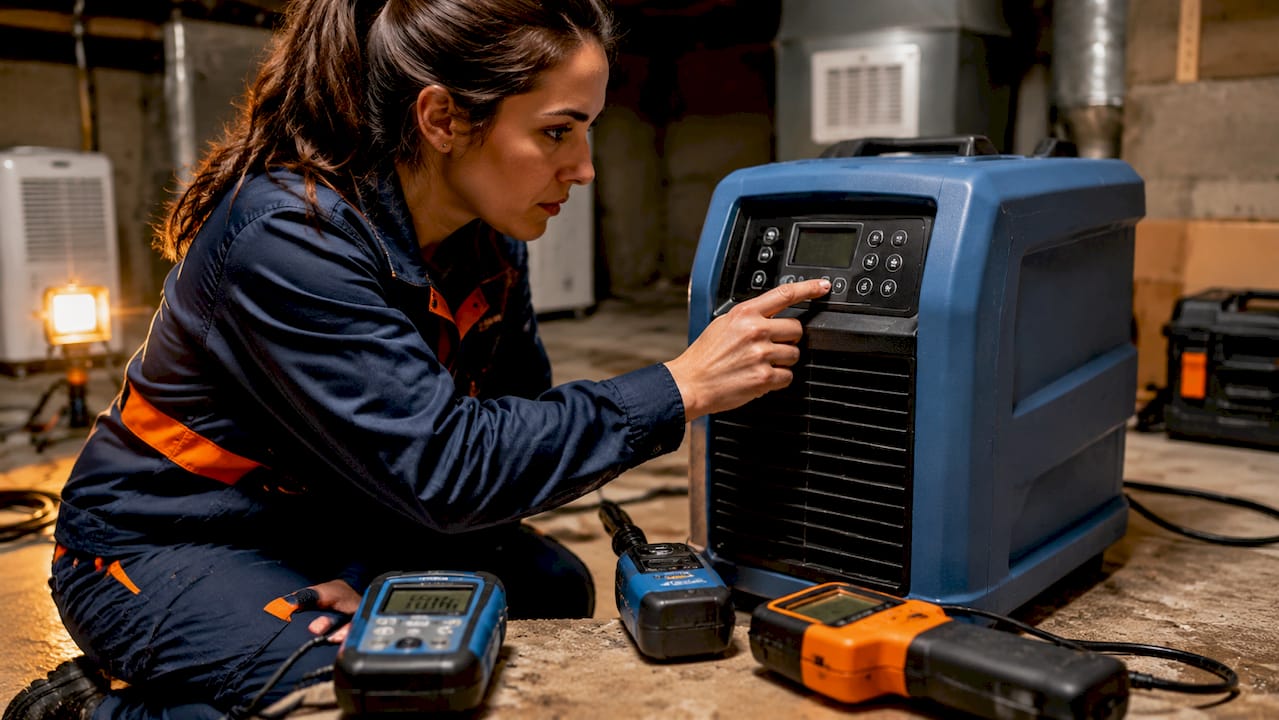
A qualified contractor arrives with moisture meters, thermal imaging cameras, air movers, and commercial dehumidifiers. Thermal imaging detects hidden moisture behind walls that a standard moisture meter misses. If a crew shows up with only fans and a wet vac, that is a red flag. Ask the contractor to walk you through each piece of equipment and explain its purpose.
Set up your documentation system immediately
Your documentation is your legal and insurance protection. Start comprehensive logs immediately from the moment you discover the damage. Create a running incident log that records who arrived, what work was done, and any issues observed. Take your own photos of the original loss condition before extraction begins. These "day zero" images are fundamental proof for claim approval.
Pro Tip: Create a shared folder on your phone or computer labeled with the date of loss. Drop every photo, contractor document, and moisture reading into it daily. This single habit prevents the most common claim disputes.
How do you oversee the restoration process step by step?
Overseeing water damage services requires a clear sequence. Skipping steps or letting the contractor self-manage without oversight leads to scope creep, billing disputes, and incomplete drying.
-
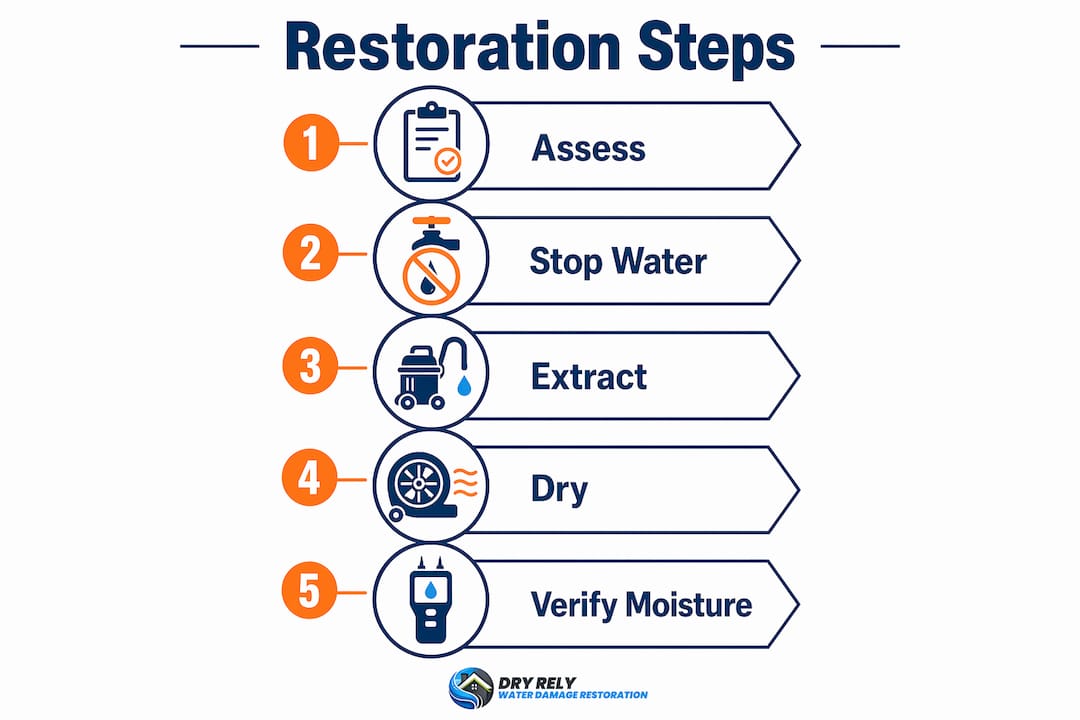
Stop the water source. No restoration work is effective while water is still entering the structure. Confirm the source is isolated before extraction begins.
-
Request emergency extraction within 4 hours. Delaying beyond 48 hours results in worse structural damage and significantly higher restoration costs. Push for extraction to begin the same day.
-
Obtain a written scope of work before work starts. Vague contracts can authorize unapproved work or void insurance coverage through assignment of benefits clauses. The scope must list specific tasks, equipment, and rate schedules.
-
Confirm the water category and class. Category 1 losses typically dry in 3–5 days, while Category 2 or 3 losses require longer drying and antimicrobial treatment. The category determines the entire scope and duration of work. Ask the contractor to document this classification in writing.
-
Monitor drying equipment placement daily. Air movers and dehumidifiers must be positioned according to IICRC S500 protocols, not just placed wherever is convenient. Confirm the equipment count and settings match the written scope.
-
Review daily moisture logs. IICRC S500 benchmarks require wood framing moisture below 16–19% and drywall within 4 points of Equilibrium Moisture Content. Properties that fail to document drying to these standards see significantly lower insurance claim approvals. Check that readings trend downward each day.
-
Coordinate all parties in writing. Send a brief daily email to your contractor and insurance adjuster summarizing work completed and moisture progress. This paper trail prevents miscommunication and supports supplement requests.
| Drying milestone | What to verify |
|---|---|
| Day 1 | Water source stopped, extraction complete, equipment placed |
| Days 2–4 | Daily moisture readings declining, photos logged |
| Day 5 | Category 1 targets near completion; Category 2–3 still active |
| Day 10 | If drying stalls, request project review immediately |
Pro Tip: Ask your contractor for a moisture map, not just numbers. A moisture map shows exactly where wet readings are located in the structure. Insurers evaluate these maps as primary evidence.
What are the warning signs of poor contractor management?
Common management challenges in water damage restoration are predictable. Knowing the warning signs early keeps the project on track and protects your claim.
- Uncertified technicians on site. If the crew cannot provide individual IICRC certification numbers, stop work and request verification before proceeding.
- Missing or inconsistent documentation. Photos documenting the original loss condition and post-extraction state are fundamental legal proof. If your contractor cannot produce daily moisture logs on request, that is a serious problem.
- Scope creep and unauthorized billing. Any work outside the written scope requires your written approval before it begins. Review every invoice line by line against the original scope.
- Drying that stalls past 10 days. If drying exceeds 10 days without documented reasons, equipment failure or unidentified moisture sources may exist. Request an immediate project review and consider bringing in an independent moisture inspector.
- Signs of secondary damage. Musty odors, visible discoloration, or warping materials after the first week signal mold growth or inadequate drying. Address these immediately rather than waiting for the contractor to raise them.
"Low-bid contractors without proper documentation increase long-term remediation risks far beyond any initial savings. The cost of a mold remediation job after a failed drying project routinely exceeds the original restoration estimate." — Homeowner guide to restoration contractors
When you spot any of these warning signs, request a meeting with the contractor and your insurance adjuster within 24 hours. Document the meeting outcome in writing.
How should you communicate with contractors and insurance adjusters?
Clear communication is what separates a smooth restoration from a drawn-out dispute. Property managers who use structured daily logs see fewer claim disputes and faster approvals.
- Keep a daily incident log. Record who arrived on site, what work was completed, and any issues observed. A running log prevents communication gaps that delay restoration and claims.
- Request daily photos and moisture data from your contractor. Do not wait for weekly summaries. Daily data lets you catch drying problems before they become mold problems.
- Coordinate supplement requests with your adjuster promptly. When the contractor identifies work not covered in the original estimate, submit a supplement request with supporting photos and moisture data the same day.
- Use your water damage documentation to support every claim conversation. Adjusters respond to organized evidence. A folder with dated photos, signed daily logs, and moisture maps resolves disputes faster than verbal explanations.
- Update tenants or residents every 48 hours. Informed residents are less likely to move out or file complaints. A brief text or posted notice goes a long way in a multi-unit property.
Pro Tip: Send your adjuster a weekly summary email with three bullet points: work completed, current moisture readings, and projected completion date. Adjusters manage dozens of claims at once. Making their job easier speeds up your approval.
Key Takeaways
Effective oversight of water damage restoration contractors requires documentation, credential verification, and daily monitoring from day one to protect both your property and your insurance claim.
| Point | Details |
|---|---|
| Verify credentials before work starts | Check individual IICRC certifications at iicrc.org and confirm state contractor licenses. |
| Document everything from day zero | Photos of the original loss condition and daily moisture logs are your primary legal protection. |
| Monitor drying against IICRC S500 targets | Wood framing must reach below 16–19% moisture; stalled drying past 10 days requires immediate review. |
| Confirm water category in writing | Category classification determines scope, duration, and antimicrobial requirements for the entire project. |
| Communicate daily with all parties | Daily logs and written updates to contractors and adjusters prevent disputes and speed claim approvals. |
What managing restoration contractors has taught us
After restoring over 15,000 properties across South Florida, the Dry Rely Water Damage Restoration team has seen one pattern repeat itself: property owners who focus on price over documentation always pay more in the end. A low bid feels like a win on day one. By day 30, when the mold report comes back and the insurer denies the claim for lack of moisture logs, the math looks very different.
The uncomfortable truth about water damage contractor management is that your oversight matters more than the contractor's reputation. A good contractor with a distracted property owner produces worse outcomes than a decent contractor with an engaged, document-focused owner. You are not just a bystander. You are the project manager, and the documentation you collect is your legal record.
We have also seen property managers make the mistake of treating the insurance adjuster as an adversary. The adjuster's job is to verify that the work was necessary and performed correctly. Give them organized evidence and they approve claims quickly. Withhold documentation or let gaps appear in the record, and you invite scrutiny that delays everything.
Start your incident log the moment you discover the damage. Photograph everything before anyone touches it. Verify every technician's IICRC number before they enter your property. These three habits, done consistently, are worth more than any contractor guarantee.
— Dry Rely Water Damage Restoration
Dry Rely Water Damage Restoration: certified support for South Florida property owners
When water damage hits your South Florida property, you need a team that documents everything from the first minute on site.
Dry Rely Water Damage Restoration deploys IICRC-certified technicians within 60 minutes, with thermal imaging, moisture meters, and commercial drying equipment ready on arrival. Every project includes daily moisture logs, photo documentation, and written scopes of work shared directly with you and your adjuster. If you need professional water damage restoration in South Florida, Dry Rely provides the certified oversight and transparent documentation that protects your property and your claim. For properties with hidden leaks driving ongoing damage, the team also offers thermal imaging leak detection to find the source before restoration begins.
FAQ
How do I verify a water damage contractor's credentials?
Check the contractor's state license through your state licensing board and verify each technician's IICRC certification individually at iicrc.org. Company-level credentials do not guarantee that the technicians actually on your property are certified.
What documentation should I collect during restoration?
Collect day-zero photos of the original damage, daily moisture readings with a moisture map, a written scope of work, and a running incident log. These records are your primary evidence for insurance claim approval.
How long should water damage drying take?
Category 1 water losses typically dry in 3–5 days under proper conditions. Category 2 or 3 losses take longer and require antimicrobial treatment. If drying has not reached IICRC S500 targets after 10 days, request an immediate project review.
What should a written scope of work include?
The scope must list specific tasks, equipment to be used, rate schedules, and the water category classification. Vague contracts can authorize unapproved work or create assignment of benefits issues that affect your coverage.
When should I escalate a problem with my contractor?
Escalate immediately if you see uncertified technicians on site, missing daily moisture logs, unauthorized billing, or signs of mold after the first week. Request a written meeting summary within 24 hours of any escalation conversation.