The insurance adjuster water damage process is a structured series of steps where a licensed adjuster inspects your property, documents the damage, and calculates a settlement based on your policy coverage. Most homeowners don't realize how much their own actions before the adjuster arrives directly shape the outcome of their claim. Knowing what adjusters look for, how they estimate costs, and where claims commonly fall apart gives you a real advantage. This guide walks you through every stage, from the first 24 hours after water damage to when it makes sense to hire a public adjuster.
1. What to do immediately after water damage occurs
Your first actions after water damage set the foundation for your entire claim. Stop the water source if you can. Then document everything before you touch a single item.
- Photograph and video every affected room, wall, ceiling, and floor
- Write down the date, time, and cause of the damage
- Save all receipts for emergency services, hotel stays, or temporary repairs
- Contact your insurance company to report the damage as soon as possible
Reporting deadlines matter. Industry standards and Florida law generally require you to report water damage within 24–72 hours to protect your claim's validity. Missing that window gives your insurer grounds to deny or reduce your payout.
Most homeowner policies include emergency mitigation coverage. That means you can hire a water extraction service right away without waiting for adjuster approval. Keep every receipt. Those costs are typically reimbursable.
Pro Tip: Take a short video walkthrough of every affected room within the first hour. Narrate what you see, including the time and date. This timestamped footage is far harder for an adjuster to dispute than photos alone.
For a full breakdown of what to do in the critical first window, the first 24 hours guide from Dry Rely Water Damage Restoration covers each step clearly.
2. How insurance adjusters evaluate and document water damage
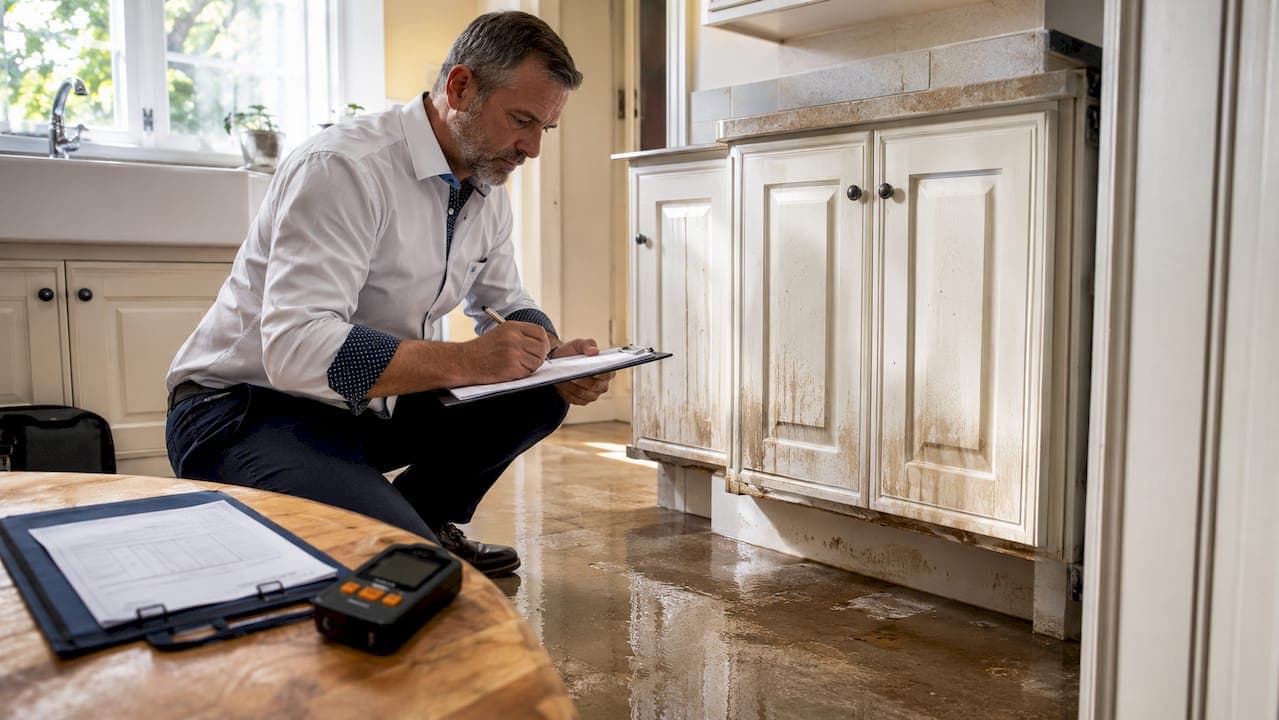
Insurance adjusters typically arrive within 3–7 days after filing, and the on-site inspection usually takes 1–3 hours depending on how extensive the damage is. That visit is your one formal opportunity to show the full scope of what happened.
During the inspection, adjusters use specific tools and follow a defined checklist:
- Moisture meters to measure water content in walls, floors, and ceilings
- Thermal imaging cameras to detect hidden moisture behind surfaces
- Photographs and written notes documenting visible damage
- Measurements of affected square footage for cost calculations
Adjusters focus on four key areas: the cause of loss, visible damage, pre-existing conditions, and your policy's coverage limits. They are trained to distinguish sudden damage from long-term deterioration. A burst pipe qualifies. A slow leak that rotted your subfloor over two years likely does not.
Adjusters use Xactimate software as the industry standard to estimate repair costs based on local labor and material prices. Insurers rarely deviate from those estimates without detailed, itemized proof from you or your restoration contractor.
One fact many homeowners miss: the adjuster works for the insurance company, not for you. Company adjusters represent the insurer and are not your advocates. Approach the inspection as a professional audit and bring your documentation ready.
3. How to work effectively with your adjuster during the claim
Being present during the adjuster's visit is non-negotiable. Walk through every damaged area with them. Point out damage they might overlook, including inside closets, under cabinets, and in crawl spaces.
Bring organized documentation to the inspection:
- Moisture maps and drying logs from your restoration contractor
- Timestamped photos and videos from the day of the loss
- A written timeline of events from damage discovery to claim filing
- Copies of any emergency service invoices
High-quality restoration documentation, including moisture maps, psychrometric readings, and drying logs, aligns directly with adjuster protocols and speeds up claim approvals. Restoration professionals produce these records as a standard part of their process.
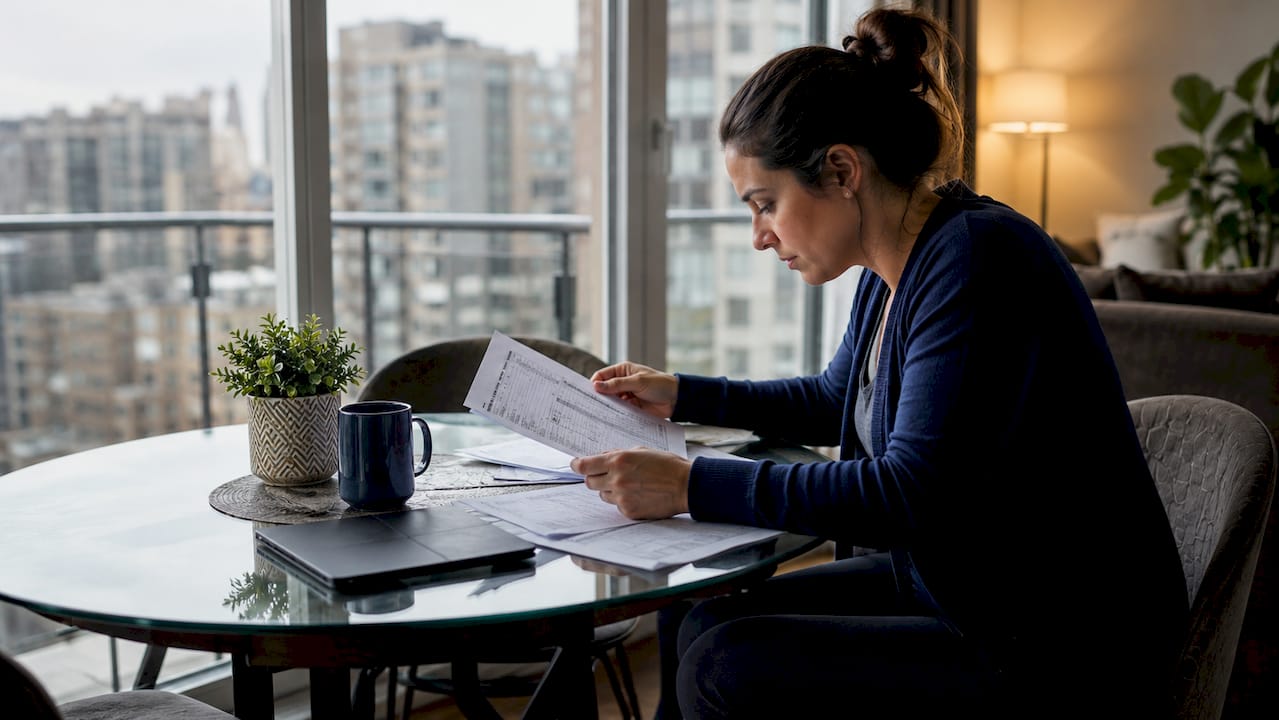
Keep a dedicated claims folder, either physical or digital. A comprehensive claims folder with claim numbers, contacts, timelines, photos, receipts, and all written communication protects your interests if a dispute arises later. Never rely on memory or verbal agreements.
Pro Tip: Get an independent repair estimate from a licensed restoration contractor before the adjuster's visit. If the adjuster's Xactimate estimate comes in lower, you have a professional comparison to support a negotiation.
4. When to consider hiring a public adjuster
A public adjuster is a licensed professional who works exclusively for you, not the insurance company. They evaluate your damage independently and negotiate your claim on your behalf.
Public adjusters typically charge 8–15% of the final settlement amount. That fee structure means they are motivated to maximize your payout. For smaller claims, the fee may outweigh the benefit. For larger losses, the math often works in your favor.
Consider hiring a public adjuster when:
- Your claim exceeds $10,000–$15,000 in estimated damage
- The insurance company's estimate seems significantly lower than contractor quotes
- Your claim involves complex structural damage or mold
- The insurer has already denied or underpaid a portion of your claim
Public adjusters must be licensed in the state where your property is located. Before signing any contract, confirm their license, read the fee terms carefully, and check whether the agreement includes a cancellation period. Florida law requires specific disclosure language in public adjuster contracts.
For large-loss situations, understanding what large-loss water restoration involves helps you assess whether your claim qualifies for this level of professional support.
5. Common pitfalls that derail water damage claims
The biggest mistake homeowners make is discarding damaged materials before the adjuster inspects them. Throwing out damaged materials early can cause serious disputes and lead to claim reductions. Document everything thoroughly and get written approval before disposing of anything.
Adjusters are specifically trained to find pre-existing damage and deferred maintenance. Adjusters look for signs of ongoing deterioration to limit insurer liability. If your roof had existing water stains before a storm, the adjuster will note that. Your documentation of the specific date of loss is what separates a valid claim from a denied one.
Other common pitfalls include:
- Delayed reporting that pushes past the 24–72 hour window
- Failing to photograph damage before starting cleanup
- Accepting a verbal estimate without written confirmation
- Not following up in writing after every phone call with your insurer
"The date of loss is the single most important fact in a water damage claim. Adjusters are trained to challenge it. Your timestamped photos, contractor records, and written notes are the only reliable proof you have."
Quality documentation from a certified restoration team accelerates approvals. Restoration companies that produce moisture maps, drying logs, and psychrometric readings give adjusters exactly the format they expect. That alignment reduces back-and-forth and gets your claim resolved faster.
Key takeaways
The insurance adjuster water damage process requires prompt reporting, thorough documentation, and professional restoration records to protect your claim from denial or underpayment.
| Point | Details |
|---|---|
| Report within 24–72 hours | Late reporting gives insurers grounds to deny your claim under Florida law. |
| Document before you clean | Timestamped photos and videos are your strongest evidence during the adjuster's inspection. |
| Adjusters work for the insurer | Treat the inspection as a professional audit and bring organized documentation. |
| Restoration records accelerate claims | Moisture maps and drying logs align with adjuster protocols and reduce disputes. |
| Public adjusters add value on large claims | For losses above $10,000–$15,000, a public adjuster's fee often pays for itself. |
What we've learned working alongside insurance adjusters
After restoring over 15,000 properties across South Florida, Dry Rely Water Damage Restoration has seen the same pattern repeat: homeowners who treat the adjuster's visit as a casual walkthrough consistently receive lower settlements than those who treat it as a formal audit.
The adjuster is not your enemy, but they are not your ally either. Their job is to assess damage accurately within the boundaries of your policy. Your job is to make sure nothing gets missed. That means being present, being organized, and having a professional restoration team whose documentation speaks the adjuster's language.
The most underrated move in this entire process is getting a certified restoration contractor on-site before the adjuster arrives. Their moisture readings, drying logs, and damage maps give you a professional record that is far harder to dispute than your own photos alone. Adjusters recognize that format. It signals that you are serious and prepared.
Patience matters too. Claims involving significant structural damage or mold rarely resolve in one visit. Follow up in writing after every conversation. Keep your claims folder updated. The homeowners who stay organized throughout the process almost always come out ahead.
— Dry Rely Water Damage Restoration
Dry Rely Water Damage Restoration and your insurance claim
Water damage claims move faster when your restoration team produces documentation that adjusters already trust.
Dry Rely Water Damage Restoration responds to South Florida properties within 60 minutes of your call. The certified team uses thermal imaging and moisture meters to detect hidden damage, then produces the moisture maps, drying logs, and psychrometric readings that insurance adjusters expect. Every job is documented to the standard that supports your claim, not just your property. With over 15,000 properties restored and a 4.9-star rating, Dry Rely Water Damage Restoration delivers results that hold up through the entire water damage restoration process. Need immediate help? Contact Dry Rely Water Damage Restoration today for rapid response and claim-ready documentation.
FAQ
How long does the insurance adjuster water damage process take?
The adjuster typically arrives within 3–7 days of your claim filing, and the on-site inspection lasts 1–3 hours. Full claim resolution can take several weeks depending on damage complexity and documentation quality.
What does a water damage adjuster look for during inspection?
Adjusters assess the cause of loss, visible damage, pre-existing conditions, and your policy's coverage limits. They use moisture meters and thermal imaging to find hidden water damage behind walls and under floors.
Can I start repairs before the adjuster visits?
You can and should perform emergency mitigation, such as water extraction, to prevent further damage. Document everything first and keep all receipts. Do not discard damaged materials until the adjuster has inspected and approved their removal.
What is Xactimate and how does it affect my claim?
Xactimate is the industry-standard software adjusters use to calculate repair costs based on local labor and material prices. Insurers rarely deviate from its estimates without itemized evidence from a licensed contractor.
When should I hire a public adjuster for water damage?
Hire a public adjuster when your claim exceeds $10,000–$15,000, the insurer's estimate is significantly lower than contractor quotes, or your claim has been denied or underpaid. Public adjusters charge 8–15% of the settlement but often recover amounts that more than cover their fee.