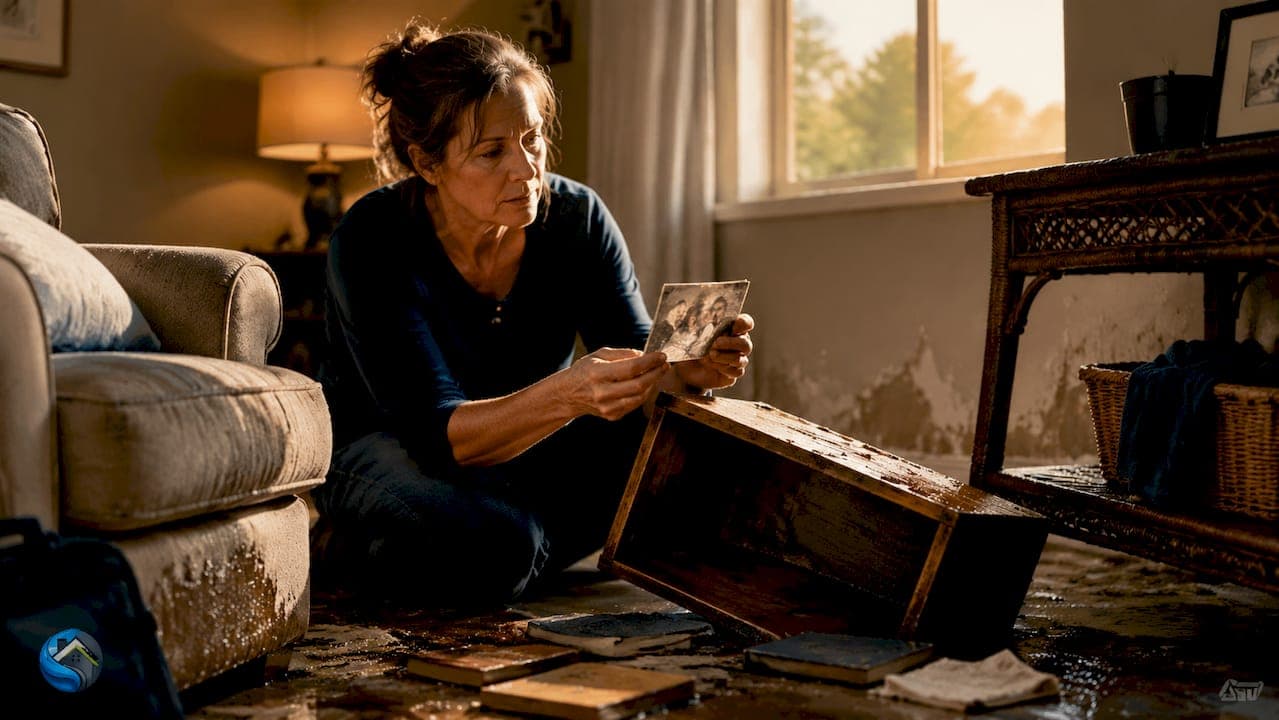
Water damage restoration professionals define items ruined by water damage as any household belonging that absorbs moisture beyond its structural or material tolerance, triggering warping, corrosion, mold, or contamination. Porous materials suffer most because they pull water deep into their fibers, and the EPA reports mold growth begins on organic materials within 24–48 hours of exposure. That window is brutally short. Furniture, electronics, documents, and textiles can all cross from salvageable to unsalvageable within a single day. Knowing which water damaged belongings are worth saving, and which ones must go, is the fastest way to protect your health and your wallet.
How water damages different types of household items
Water destroys belongings through four main mechanisms: absorption, corrosion, swelling, and biological growth. The speed and severity depend on the material and the water source.
Porous vs. non-porous materials tell the whole story. Porous materials like wood, fabric, drywall, and paper absorb water immediately and hold it deep inside. Non-porous materials like glass, metal, and sealed plastic resist absorption but can still corrode or short-circuit when water reaches internal components.
The type of water matters just as much as the material. Restoration professionals classify water into three categories:
- Clean water (Category 1): From a burst pipe or rain. Least harmful. Many items can be dried and saved.
- Gray water (Category 2): From appliances, sinks, or washing machines. Contains contaminants. Porous items face higher risk.
- Black water (Category 3): From sewage, flooding, or storm surge. Highly contaminated. Water contamination level is the primary factor determining whether an item can be safely restored or must be discarded.
Wood furniture warps and splits as fibers expand unevenly. Electronics short-circuit when water bridges internal components. Paper stains, bleeds, and fuses together. Mold colonizes any damp organic surface within two days.
Pro Tip: If you can smell a musty odor within 24 hours of a water event, mold has already started. Do not wait to act.
1. Upholstered furniture and mattresses
Upholstered furniture and mattresses are among the most frequently lost items after a flood or leak. Fabric and foam absorb water like a sponge, pulling contamination deep into layers that cannot be reached by surface cleaning. Porous materials exposed to contaminated water are generally unsalvageable due to bacteria and mold risk. Even after visible drying, the inner foam core stays wet for days, creating a perfect environment for mold growth. If the water source was gray or black water, discard these items immediately.
2. Hardwood and composite furniture
Solid hardwood can sometimes be dried and refinished if caught early. Composite wood, particleboard, and MDF are a different story. Particleboard and MDF are often permanently ruined after water exposure because they swell, buckle, and delaminate rapidly. The glue holding layers together dissolves, and the structure collapses. Check furniture joints and drawer bottoms within the first few hours. If the wood feels spongy or the veneer is lifting, the piece is likely beyond saving.
3. Carpets and rugs
Carpet acts as a reservoir. It absorbs water across a wide surface area and traps it against the subfloor underneath. The padding beneath the carpet is almost always unsalvageable after significant flooding because it holds moisture long after the carpet surface feels dry. Hidden moisture in walls and under flooring can drive mold growth long after visible water is gone. Area rugs made from natural fibers like wool or cotton face the same risk. Synthetic rugs exposed to clean water have the best chance of recovery if dried within hours.
4. Electronics
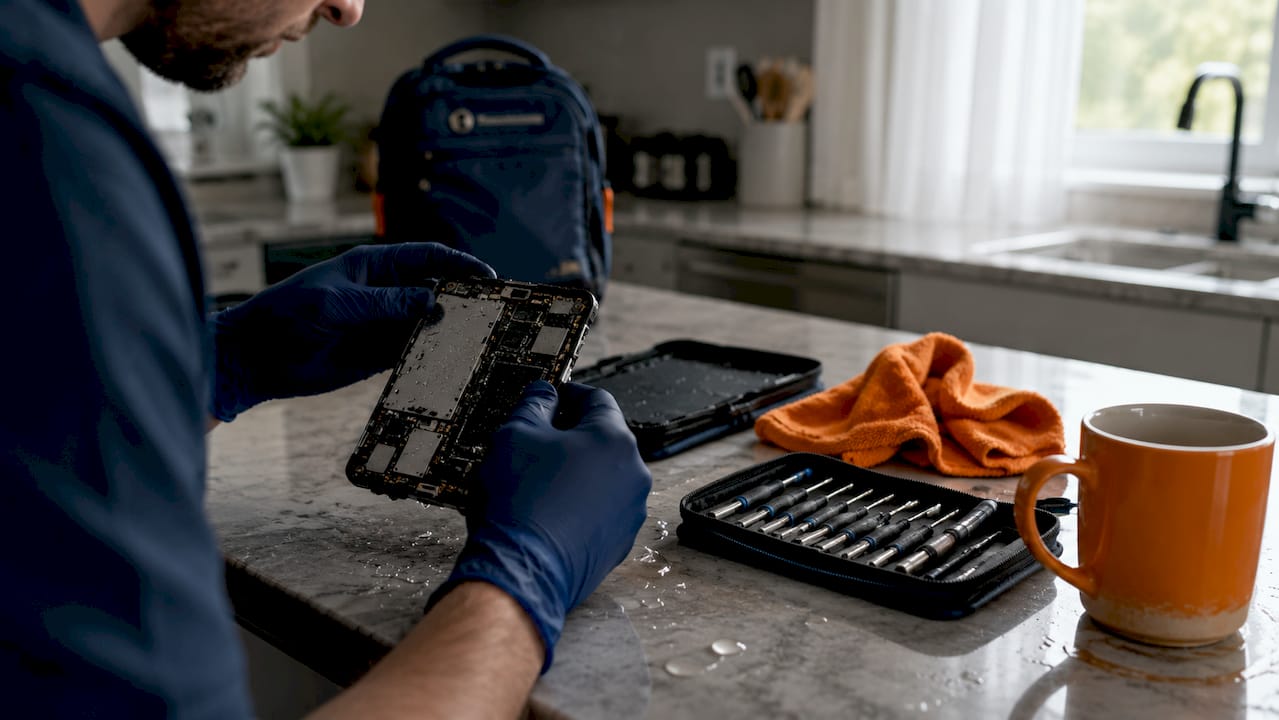
Electronics are among the most expensive items affected by flooding. Water bridges internal circuits, causing immediate short-circuits or delayed corrosion that destroys components days later. Electronics submerged in water often suffer irreparable damage, though professional drying may help if the device was powered off at the time of exposure. Never turn on a wet device. Remove batteries immediately and place the item in a dry environment. A professional assessment is the only reliable way to know if recovery is possible.
5. Paper documents and photographs
Paper is one of the fastest-degrading materials after water exposure. Ink bleeds within minutes. Pages fuse together as they dry. Photographs lose their emulsion layer and become permanently damaged if not treated quickly. Sentimental and legal documents degrade fastest and should be prioritized for salvage above most other belongings. Freeze-drying, also called lyophilization, is the gold standard for recovering wet documents and photos. It removes moisture without allowing pages to stick together during the drying process.
6. Clothing and textiles
Clothing and linens can often be saved if washed promptly with hot water and a disinfectant detergent. The real risk is delay. Textiles left wet for more than 24 hours develop mildew that penetrates fibers and produces a persistent odor that standard washing cannot remove. Items exposed to black water, such as sewage flooding, should be discarded regardless of material. Dry cleaning is an option for delicate fabrics, but only if the water source was clean.
7. Books and collectibles
Books are particularly vulnerable because water causes pages to expand, bindings to warp, and covers to separate. A wet book left to air dry without intervention will dry into a warped, fused block. Collectibles with paper components, like trading cards, comic books, or vintage posters, face the same fate. Freeze-drying is the most effective recovery method for books. For high-value collectibles, contact a professional conservator before attempting any drying on your own.
8. Appliances
Large appliances like washing machines, dishwashers, and refrigerators can sometimes be restored after clean water exposure. The electrical components are the main concern. Rust develops quickly on internal metal parts, and water in motor housings causes winding damage. Small appliances like toasters, coffee makers, and blenders are rarely worth the cost of professional drying. Have a licensed electrician or appliance technician inspect any appliance before plugging it back in.
9. Personal care items and cosmetics
Cosmetics, medications, and personal care products exposed to flood water are a health risk. Contaminated water introduces bacteria into open containers, even those with tight lids. Medications that have been submerged should be discarded and replaced immediately. Prescription medications require a call to your pharmacy or physician for emergency replacement. Sealed, unopened products in waterproof packaging may be safe, but when in doubt, throw it out.
10. Food products
Any food exposed to flood water is unsafe to eat. This includes canned goods with dented or compromised seals, boxed goods, and anything stored below the flood line. The USDA recommends discarding all food that has come into contact with flood water, including commercially sealed cans, because contamination can enter through the seam. Refrigerators and freezers that lost power for more than four hours should be emptied and cleaned before restocking.
How to salvage and restore water damaged belongings effectively
Speed is the single most important factor in recovering moisture damage household items. The longer water sits, the more it spreads and the deeper it penetrates.
Prioritize in this order:
- Identity documents, passports, and legal papers first
- Irreplaceable photographs and family heirlooms second
- Electronics with the power off third
- Clothing and textiles that can be washed immediately fourth
Drying methods by item type:
| Item Type | Recommended Method | Professional Needed? |
|---|---|---|
| Documents and photos | Freeze-drying or flat air drying | Yes for high value |
| Electronics | Power off, professional assessment | Yes |
| Clothing and linens | Machine wash with disinfectant | No |
| Hardwood furniture | Controlled air drying, dehumidifiers | Recommended |
| Books and collectibles | Freeze-drying | Yes for rare items |
Restoration companies use pack-out processes that move your belongings to climate-controlled off-site facilities. This protects items during home repairs and creates a detailed inventory that supports insurance claims. If your home has significant damage, a pack-out is often the best way to protect what remains.
Pro Tip: Stacking wet papers causes pages to stick and worsens distortion. Separate every sheet immediately and lay flat on a clean, dry surface.
One of the most common mistakes homeowners make is assuming an item is dry because the surface feels dry. Moisture trapped in hidden cavities causes mold and further damage long after the visible water is gone. Thermal imaging, the same technology used by Dry Rely Water Damage Restoration, detects hidden moisture that hands and eyes cannot find.
Items that should be discarded after water damage
Some belongings cannot be safely restored, and keeping them creates serious health risks. Knowing what to throw away is as important as knowing what to save.
Discard immediately if exposed to gray or black water:
- Mattresses and box springs
- Upholstered sofas, chairs, and cushions
- Particle board and MDF furniture that has swollen
- All food products below the flood line
- Prescription and over-the-counter medications
- Cosmetics and personal care products with open or compromised seals
- Children's stuffed animals and soft toys
- Carpets and padding that cannot be dried within 24–48 hours
Discard if mold is visible or the item has a persistent musty odor:
- Any porous item with visible mold growth
- Drywall and insulation behind walls
- Books and paper goods with mold spots
Safe disposal matters too. Bag contaminated items in heavy-duty plastic bags before moving them through your home. This prevents cross-contamination to areas that were not flooded. Check your local municipality's guidelines for bulk waste pickup after a flood event, as many areas provide special collection services.
Key takeaways
The most vulnerable items in any water event are porous, organic materials because they absorb contamination and support mold growth within 24–48 hours of exposure.
| Point | Details |
|---|---|
| Mold grows fast | The EPA sets the mold growth threshold at 24–48 hours on organic materials, making speed critical. |
| Water type determines salvageability | Black water contamination almost always means porous items must be discarded, not restored. |
| Prioritize irreplaceable items | Save identity documents, photos, and legal papers before furniture or appliances. |
| Never stack wet paper | Separating and laying paper flat immediately is the single best way to improve recovery odds. |
| Hidden moisture causes ongoing damage | Items that feel dry can still harbor moisture inside, driving mold growth for weeks. |
What we've learned restoring over 15,000 South Florida properties
After responding to thousands of water emergencies across South Florida, the pattern is clear: homeowners who act in the first hour save dramatically more than those who wait for the water to stop spreading on its own.
The emotional toll of losing sentimental items is real. Photographs, handwritten letters, and family heirlooms cannot be replaced by an insurance check. That is why we tell every homeowner the same thing: grab your documents and photos first, then call us. Do not spend those first critical minutes trying to move furniture.
The second thing we see constantly is homeowners underestimating hidden moisture. A floor that feels dry to the touch can have standing water beneath the subfloor. A wall that looks fine can be soaked inside. Thermal imaging removes the guesswork entirely. We have found active moisture behind walls weeks after a homeowner thought the problem was resolved.
Document everything before you move a single item. Take photos and video of every affected room and every damaged belonging. This documentation is your strongest tool when filing an insurance claim. A detailed water damage claim record can mean the difference between a full payout and a disputed settlement.
Finally, do not let guilt drive you to keep items that need to go. A mold-contaminated mattress is a health hazard. A swollen particle board cabinet is structurally useless. Letting go of unsalvageable items protects your family and speeds up the restoration process.
— Dry Rely Water Damage Restoration
When professional restoration makes the difference for your belongings
Dry Rely Water Damage Restoration responds to water emergencies across South Florida with technicians on-site within 60 minutes. That speed matters because every hour of delay increases the number of water damaged belongings that cross from salvageable to lost.
Our certified team handles water damage restoration from initial water extraction through content pack-out, climate-controlled drying, and mold prevention. We use thermal imaging to find hidden moisture that standard drying misses. Whether you are dealing with a burst pipe, appliance failure, or storm flooding, we assess every item and give you a clear picture of what can be saved. With over 15,000 properties restored and a 4.9-star rating, we have the experience to protect what matters most. Call Dry Rely Water Damage Restoration for an immediate evaluation and 24/7 emergency response.
FAQ
What items are most often ruined by water damage?
Upholstered furniture, mattresses, carpets, paper documents, and electronics are the most frequently lost items after water damage. Porous materials absorb water and contamination quickly, making them the hardest to restore.
Can electronics be saved after water damage?
Electronics may be saved if they were powered off during exposure and are dried professionally within a short window. Devices that were on when submerged typically suffer permanent internal damage.
How quickly does mold grow on water damaged belongings?
The EPA reports mold begins growing on organic materials within 24–48 hours of water exposure. Items that remain wet beyond that window face a significantly higher risk of mold contamination.
What should I save first after a flood?
Restoration professionals recommend saving identity documents, passports, photographs, and legal papers first. These items degrade fastest and are the hardest to replace.
When should I call a professional instead of drying items myself?
Call a professional when the water source is gray or black water, when electronics or high-value items are involved, or when you cannot dry the affected area completely within 24–48 hours. Hidden moisture is a common cause of ongoing damage that DIY drying misses.