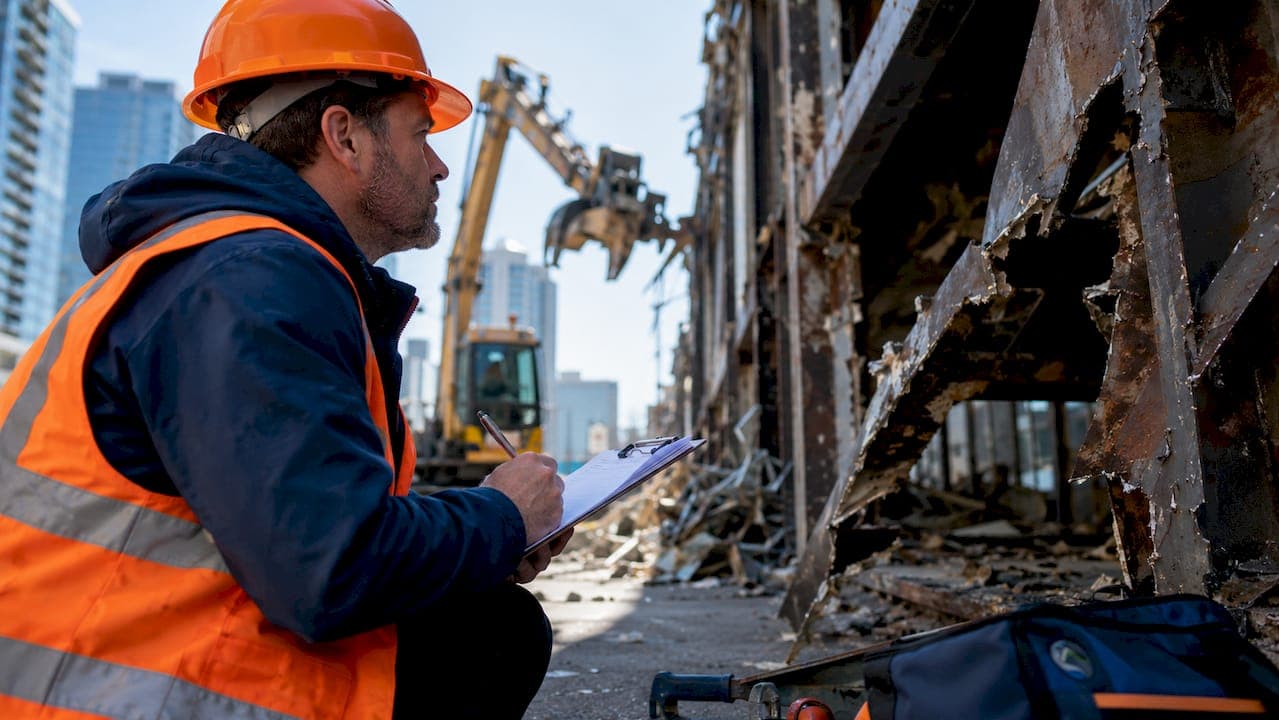
Controlled demolition restoration is the systematic removal of compromised building materials to prepare a damaged structure for safe, effective rebuilding. The industry term is "selective demolition," but property owners most often encounter it as controlled demolition restoration when dealing with fire, water, or sewage damage. This process does not tear down everything. It removes only what is damaged, protects what is not, and sets the stage for reconstruction. If your property has suffered severe structural damage, understanding what this process involves gives you the clarity to act fast and make confident decisions.
What is controlled demolition restoration, and why does it matter?
Controlled demolition restoration is surgical removal of hazardous materials that cannot be saved, designed to stop contamination from spreading and protect the rest of the structure. Think of it as the medical equivalent of removing infected tissue before a wound can heal. You cannot rebuild on a compromised foundation, and you cannot dry out a wall that is already rotting from the inside.
This process applies to any severe structural damage scenario. Water damage causes saturated drywall and subfloor materials to weaken and grow mold within 24–48 hours. Fire damage leaves behind charred framing and toxic residue. Sewage damage contaminates everything it touches. In every case, removing saturated or damaged materials is the required first step before drying, rebuilding, or any other restoration work can begin.
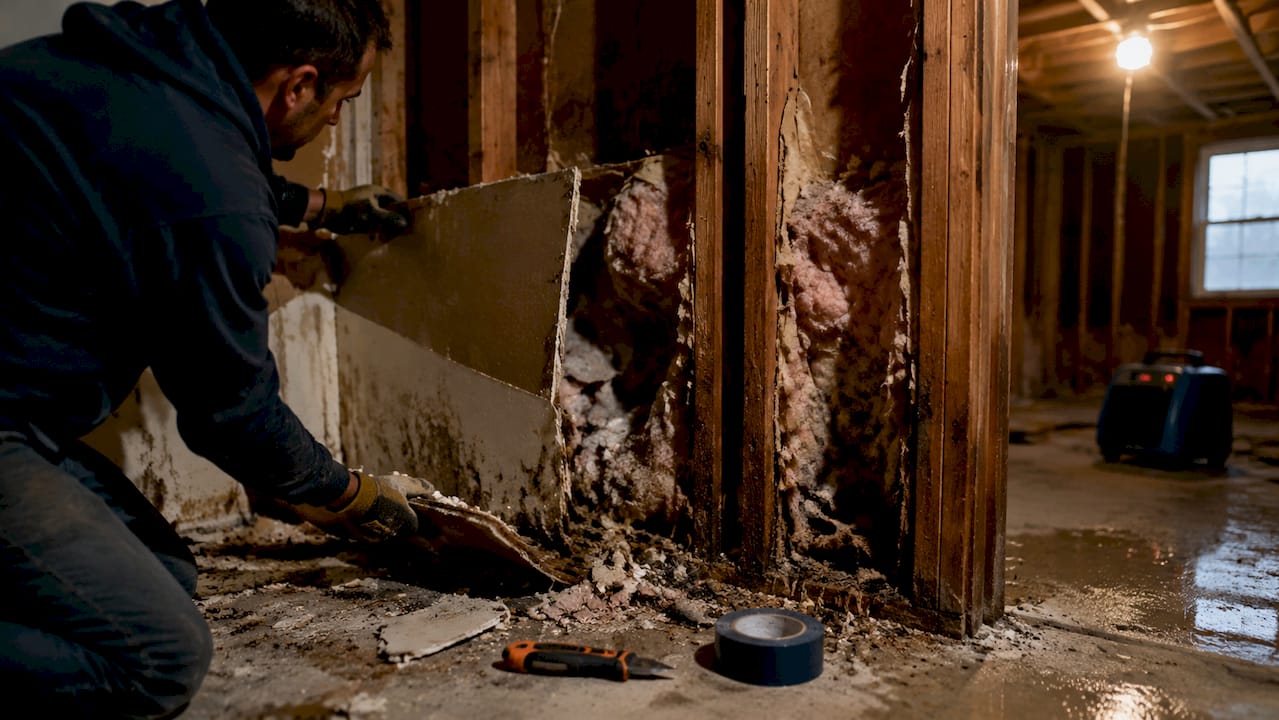
The distinction from standard demolition is critical. Traditional demolition levels a structure completely. Controlled demolition restoration targets only the non-salvageable sections, preserving undamaged walls, floors, and structural members. That precision directly reduces your rebuilding costs and your project timeline.
What are the key phases of the controlled demolition restoration process?
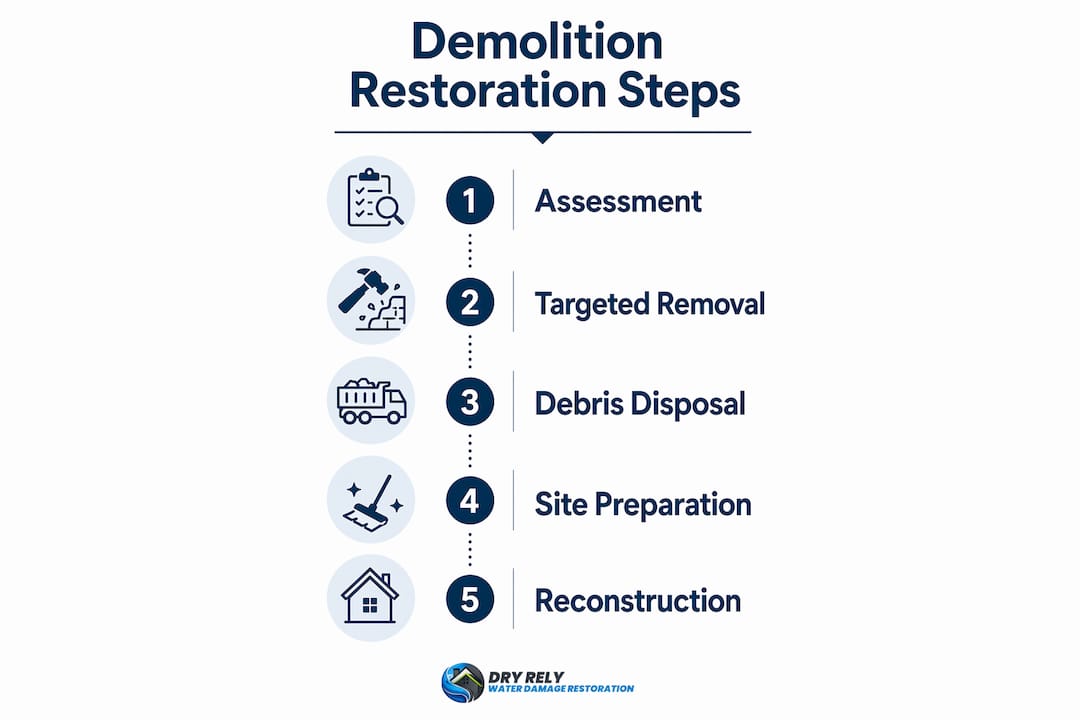
The controlled demolition process follows five critical phases, each building on the last. Skipping or rushing any phase creates problems that surface later, often as foundation cracks, mold regrowth, or failed inspections.
-
Structural assessment and planning. A licensed contractor or restoration specialist inspects the property to identify which materials are compromised and which are salvageable. This assessment determines the scope of demolition and informs the permit application.
-
Utility disconnection and hazard mitigation. All electrical, gas, and water lines serving the demolition zone are shut off and secured. This step also includes identifying and containing hazardous materials like asbestos or lead paint before any physical work begins.
-
Mechanical or robotic demolition execution. Workers use hand tools, hydraulic equipment, or remote-controlled robotic units to remove damaged materials with precision. The goal is to cut cleanly at the boundary between damaged and undamaged sections.
-
Debris removal and site clearing. All removed materials are sorted, loaded, and hauled away. Hazardous waste follows separate disposal protocols required by local regulations.
-
Site restoration, grading, and soil compaction. For full structure removals, soil compaction to at least 95% Proctor density is required before new building permits are granted. This prevents future ground settling and foundation cracking.
Pro Tip: Document every phase with photos before, during, and after demolition. Your insurance adjuster and building inspector will both ask for this evidence, and it protects you if disputes arise.
How does controlled demolition restoration differ from traditional demolition?
Controlled demolition focuses on removing only damaged parts, preserving undamaged structure and minimizing collateral impact. Traditional demolition involves total teardown with no intent to preserve. That difference changes everything about cost, timeline, and what you can rebuild on.
| Factor | Controlled demolition restoration | Traditional demolition |
|---|---|---|
| Scope | Targeted removal of damaged sections only | Full structure teardown |
| Goal | Prepare for restoration and rebuilding | Clear the site entirely |
| Cost impact | Lower, preserves salvageable materials | Higher, everything is replaced |
| Timeline | Faster for partial damage | Longer overall rebuild required |
| Environmental impact | Less waste generated | High volume of debris |
| Best use case | Fire, water, or sewage damage recovery | End-of-life structures or total losses |
The benefits of controlled demolition restoration go beyond cost savings:
- Safety. Removing structurally compromised sections eliminates collapse risk for workers and future occupants.
- Mold prevention. Pulling out saturated materials stops mold growth before it spreads to healthy sections of the building.
- Faster restoration. Targeted removal means drying equipment reaches affected cavities sooner, cutting overall restoration time.
- Reduced waste. Selective removal generates far less debris than a full teardown, which lowers disposal costs and environmental impact.
- Infrastructure protection. Precision demolition in urban areas controls vibration, noise, and dust to protect neighboring structures and utilities.
What advanced techniques and tools are used in controlled demolition restoration?
The equipment used in controlled demolition restoration determines how precisely and safely the work gets done. Modern restoration contractors use a combination of hand tools, hydraulic machinery, and remote-controlled units depending on the site conditions.
- Concrete demolition shears and wire saws. Hydraulic and mechanical tools like concrete shears and wire saws allow low-vibration, dust-minimizing removal. Wire saws cut through reinforced concrete without the cracking and shock waves that jackhammers produce.
- Robotic demolition equipment. Remote-controlled robotic units operate in spaces too dangerous for workers, such as fire-weakened floors or areas with active mold contamination. They provide precision without putting crew members at risk.
- Dust and vibration control systems. Water suppression systems, negative air pressure containment, and vibration monitoring sensors keep the work site safe and compliant with local regulations.
- Thermal imaging cameras. Tools like FLIR thermal cameras detect moisture hidden inside walls and ceilings before demolition begins, so crews know exactly where to cut and where to stop.
Hybrid methods combining wire sawing with mechanical removal minimize vibration, noise, and dust in residential neighborhoods, helping avoid project delays and neighbor complaints. This matters especially in South Florida, where properties sit close together and local code enforcement is active.
Pro Tip: Ask your contractor whether they use thermal imaging before demolition. Crews that skip this step often remove too little or too much, both of which cost you money.
What should property owners expect during and after the process?
Knowing what to expect removes the anxiety from an already stressful situation. The controlled demolition restoration timeline and requirements vary by property size and damage type, but the sequence is consistent.
-
Permit and utility coordination. Obtaining municipal permits and coordinating utility disconnection are required before demolition begins. Skipping this step creates legal delays and can void your insurance claim. Your contractor handles this, but you need to authorize it.
-
Active demolition phase. For a typical residential water damage project, targeted demolition of affected walls, floors, or ceilings takes one to three days. Larger commercial projects or full structure removals take longer.
-
Site cleanup and debris removal. All demolished materials leave the site. Hazardous materials like asbestos or mold-contaminated debris require licensed disposal. Your contractor provides documentation of proper disposal for your records.
-
Grading, drainage, and soil compaction. For full removals, post-demolition site preparation includes soil grading and drainage planning to prevent future settling. Proper drainage design at this stage prevents water from pooling against your new foundation.
-
Inspection and permit sign-off. An inspection and documentation of the site is required before new building permits are granted. This step protects you legally and confirms the site is ready for reconstruction.
Correct grading, drainage, and soil stabilization after demolition produce a foundation safer than the original. Property owners who skip or rush this phase pay for it later in settling cracks and water intrusion problems.
Key Takeaways
Controlled demolition restoration is the fastest and safest path to rebuilding after severe property damage because it removes only what is compromised, stops further decay, and prepares the site for a structurally sound reconstruction.
| Point | Details |
|---|---|
| Definition and purpose | Controlled demolition restoration removes only damaged materials to stop decay and enable safe rebuilding. |
| Five-phase process | Assessment, utility disconnection, execution, debris removal, and soil compaction are all required steps. |
| Precision over teardown | Selective removal preserves salvageable materials, cutting costs and shortening the overall rebuild timeline. |
| Advanced tools matter | Thermal imaging, hydraulic shears, and robotic units determine how accurately and safely the work gets done. |
| Site prep is non-negotiable | Soil compaction to 95% Proctor density and proper drainage prevent future foundation and settling problems. |
What we've learned from doing this work in South Florida
Many property owners fear controlled demolition as a step backward. That fear is understandable. You watch workers tear out your walls and floors, and it feels like the damage is getting worse. The reality is the opposite. Controlled demolition is the fastest way to stop further damage and accelerate restoration. Every hour that saturated drywall stays in place, mold spreads deeper into your structure. Every day that a fire-damaged beam stays load-bearing, your building is at risk.
The misconception we see most often at Dry Rely Water Damage Restoration is that demolition means starting over. It does not. In the majority of water damage cases we handle across South Florida, selective demolition affects a fraction of the total structure. The goal is always to save as much as possible, not to remove more than necessary.
The second misconception is that property owners can manage this phase themselves. Controlled demolition requires licensed contractors, proper permits, hazardous material handling protocols, and documented inspections. A homeowner pulling out wet drywall without containment spreads mold spores through the entire structure. That turns a contained problem into a whole-home remediation project.
Trust the process. The demolition phase is not the end of your property. It is the beginning of its recovery.
— Dry Rely Water Damage Restoration
Dry Rely's approach to controlled demolition and restoration
When water damage hits your South Florida property, the clock starts immediately. Dry Rely Water Damage Restoration integrates controlled demolition directly into its water damage restoration process, so you never wait for a separate contractor to begin the critical removal phase. The team arrives within 60 minutes, uses thermal imaging to map hidden moisture, and begins targeted demolition only where the damage exists.
With over 15,000 properties restored and a 4.9-star rating from more than 200 reviews, Dry Rely Water Damage Restoration has the experience to handle your project from first assessment through final inspection. If you are dealing with mold risk after flooding or structural damage from a roof leak, contact Dry Rely Water Damage Restoration now for a same-day consultation.
FAQ
What is controlled demolition restoration in simple terms?
Controlled demolition restoration is the targeted removal of fire, water, or sewage-damaged building materials to stop further decay and prepare a structure for rebuilding. It removes only what is compromised, not the entire structure.
How long does the controlled demolition restoration process take?
For residential water damage, targeted demolition typically takes one to three days. Larger projects or full structure removals take longer depending on permit timelines and site conditions.
Does controlled demolition restoration prevent mold?
Removing saturated walls, floors, and ceilings stops mold from spreading into undamaged sections of the building. Leaving wet materials in place allows mold to grow and expand within 24–48 hours.
Do I need a permit for controlled demolition restoration?
Municipal permits are required before demolition begins in most jurisdictions. Your licensed restoration contractor handles the permit application and utility disconnection coordination.
What happens to the site after controlled demolition is complete?
The site undergoes debris removal, soil grading, drainage planning, and soil compaction before reconstruction can begin. A formal inspection and permit sign-off are required before new building work starts.