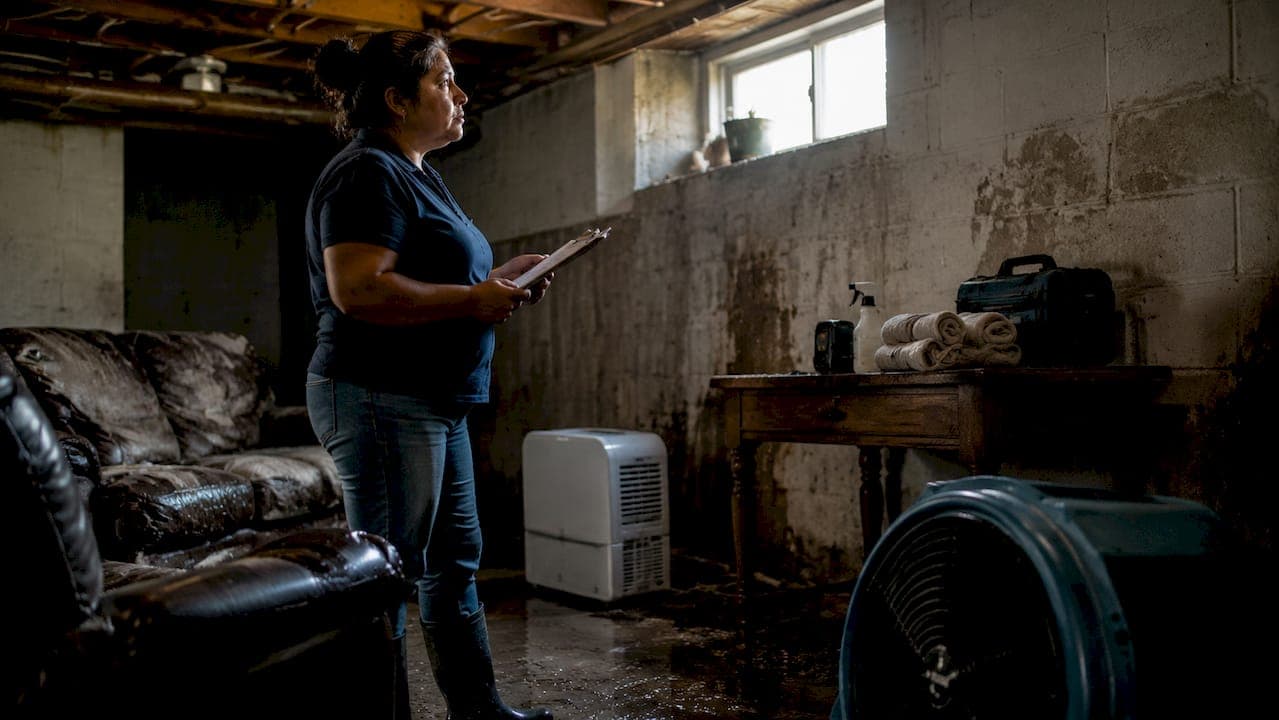
Odor removal after flooding is defined as the process of eliminating smells caused by microbial growth, bacteria, and chemical contamination left behind by floodwater intrusion. The role of odor removal after flooding goes far beyond making your home smell better. It is a direct indicator of whether your home is truly clean, dry, and safe. Flood odors signal health risks from bacteria, mold, and chemical contamination that floodwater carries into your walls, floors, and furnishings. Skipping or rushing this step puts your family's health at risk and almost guarantees mold problems down the road.
Why do flood odors develop and what do they mean?
Flood odors are not random. They are direct signals that your home still contains contamination or moisture that needs attention. Floodwater carries bacteria, sewage, chemicals, and organic debris. When those materials soak into porous surfaces like drywall, carpet, and wood framing, they begin to break down and produce gases you can smell.
The most common flood smell is a musty, earthy odor. That smell comes from mold and mildew colonies that begin forming within 24 to 48 hours of water exposure. A sewage-like odor points to bacterial activity from contaminated water. A chemical smell may indicate off-gassing from building materials or cleaning products that absorbed floodwater.
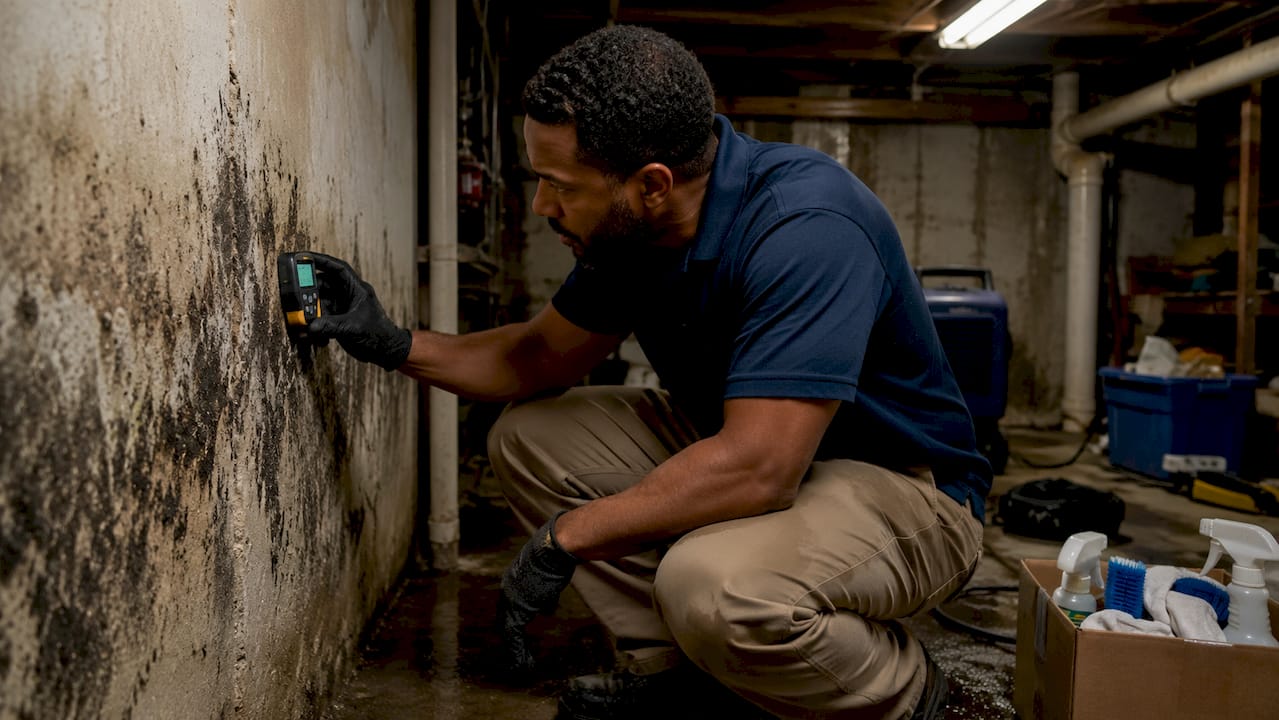
Persistent musty smells after flooding usually indicate ongoing microbial activity or moisture, not just surface odors. That distinction matters. If the smell keeps coming back, the source is still active inside your home's structure.
Here are the most common odor sources after a flood:
- Mold and mildew growing inside wall cavities, under flooring, or in ceiling materials
- Bacteria from sewage-contaminated floodwater soaked into porous surfaces
- Wet organic materials like carpet padding, wood subfloors, and insulation that trap moisture
- Chemical off-gassing from building materials reacting with prolonged moisture exposure
- HVAC systems that circulated contaminated air and now harbor microbial growth
Odors that get worse in warm, humid weather are a specific warning sign. Humidity-dependent odors worsening in warm, moist conditions indicate active microbial metabolism or off-gassing, which requires prompt remediation rather than delay. In South Florida, where heat and humidity are constants, this pattern accelerates fast.
How to clean and dry your home to eliminate flood odors
Cleaning and drying are the foundation of post-flood smell removal. No deodorization method works if contamination and moisture remain in the structure. The EPA's sequence is clear: clean with detergent and water before applying any disinfectant. Disinfectants cannot penetrate dirt and organic matter, so applying them first traps odor-causing residues underneath.
Follow this sequence for effective flood odor mitigation:
- Remove standing water first using a wet/dry vacuum or professional water extraction equipment
- Clean all affected surfaces with detergent and clean water, scrubbing gently to avoid spreading contaminants
- Discard porous materials that cannot be fully dried, including carpet padding, insulation, and heavily saturated drywall
- Apply disinfectant only after cleaning, following label instructions and EPA guidelines
- Run fans and dehumidifiers continuously to reduce indoor humidity and stop mold growth
Moisture control is where most homeowners fall short. Fans and dehumidifiers are recommended after floodwaters recede to reduce mold growth risks and persistent odors. Running them on dry days with windows open accelerates drying. In South Florida's climate, a dehumidifier is not optional. It is necessary.
Pro Tip: Use a moisture meter to check walls, floors, and ceilings before stopping the drying process. Surfaces can feel dry to the touch while still holding dangerous moisture levels inside. Dry Rely Water Damage Restoration uses thermal imaging to find hidden wet zones that a standard inspection would miss.
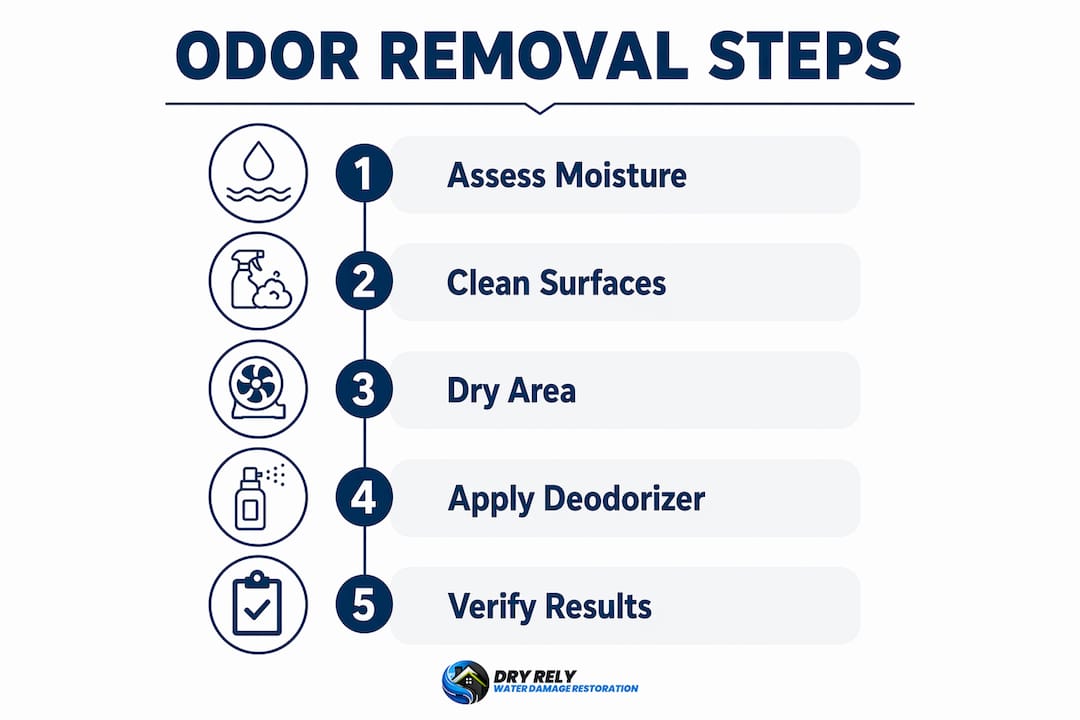
Documentation matters too. Photograph moisture readings, affected areas, and materials removed. This record supports insurance claims and confirms that drying goals were actually met before you move to deodorization.
Masking vs. deodorizing: what actually works?
Air fresheners and scented sprays do not remove flood odors. Masking agents only temporarily cover flood odors and do not neutralize odor compounds or solve the underlying cause. Spraying a floral scent over a mold-contaminated wall is like painting over rust. The problem continues underneath.
Professional deodorization uses chemistry to neutralize odor molecules rather than cover them. The three main methods used by certified restoration teams are ozone treatment, hydroxyl generation, and thermal fogging. Each works differently and suits different situations.
| Method | How it works | Best use case |
|---|---|---|
| Ozone treatment | Produces ozone gas that oxidizes and destroys odor molecules | Unoccupied spaces with severe odors |
| Hydroxyl generation | Uses UV light to create hydroxyl radicals that break down odor compounds | Occupied or sensitive environments |
| Thermal fogging | Disperses deodorizing solution as fine particles that penetrate porous surfaces | Odors embedded in walls, floors, or furniture |
Deodorization is a verification step, not a first step. A source-focused odor control strategy combining source elimination, ventilation, and purification is the most effective approach for indoor odor pollution after flooding. Applying ozone or fogging before cleaning and drying is wasted effort. The odor source simply regenerates.
Pro Tip: If you apply a professional deodorization treatment and the smell returns within a week, the source has not been fully eliminated. Call a certified restoration professional to assess hidden moisture or microbial reservoirs before retreating.
The common mistake homeowners make is buying commercial odor eliminators and calling the job done. Those products have a place in the final stage of cleanup. They do not replace the cleaning and drying work that must come first.
How industry standards guide effective odor removal
Professional water damage restoration follows the ANSI/IICRC S500 standard, which is the industry benchmark for water damage cleanup and drying. The 2026 revision of the ANSI/IICRC S500 places stronger emphasis on documentation, moisture mapping, and clear classification of water damage. These requirements directly affect odor outcomes.
The standard classifies water damage by category and class. Category refers to the contamination level of the water source. Class refers to the amount of water and the rate of evaporation needed. A Category 3 flood from sewage backup requires a completely different remediation approach than a Category 1 clean water leak. Getting the classification wrong leads to incomplete cleanup and persistent odors.
| Water category | Source | Odor risk |
|---|---|---|
| Category 1 | Clean water (broken supply line) | Low, if dried quickly |
| Category 2 | Gray water (appliance overflow) | Moderate, microbial growth likely |
| Category 3 | Black water (sewage, floodwater) | High, requires full remediation |
Moisture mapping is the process of measuring and recording moisture levels throughout the affected area. It confirms that drying goals have been met before the job is closed. Without moisture mapping, a restoration team cannot verify that hidden materials like carpet padding, subfloors, or wall cavities are actually dry. Odors that return weeks later almost always trace back to materials that were never fully dried.
The IICRC S500 also draws a clear line between water mitigation and microbial remediation. When mold is present, a separate protocol under the IICRC S520 standard applies. Mixing these two scopes without proper documentation leads to incomplete source control and ongoing odor problems. Following these standards is what separates a lasting repair from a temporary fix.
Key Takeaways
Effective flood odor removal requires eliminating the moisture and contamination source first, then applying professional deodorization as a final verification step.
| Point | Details |
|---|---|
| Odors signal active problems | Persistent flood smells indicate ongoing moisture or microbial activity, not just surface residue. |
| Clean before you disinfect | The EPA requires physical cleaning with detergent before any disinfectant is applied. |
| Drying is non-negotiable | Fans and dehumidifiers must run until moisture meter readings confirm all materials are dry. |
| Masking does not work | Air fresheners cover odors temporarily and allow the underlying source to keep growing. |
| Standards protect outcomes | ANSI/IICRC S500 classification and moisture mapping verify that cleanup is complete and lasting. |
Why odor removal is won or lost at the moisture source
After restoring over 15,000 properties across South Florida, the pattern is consistent. Homeowners who call us weeks after a flood almost always have the same story. They cleaned the visible surfaces, ran a fan for a few days, and sprayed something to kill the smell. Then the odor came back, stronger than before.
The reason is almost always the same: hidden moisture. Odor persistence after flooding indicates incomplete drying of materials like carpet padding, subfloors, and wall cavities. These materials absorb water fast and release it slowly. A surface that feels dry to the hand can still hold enough moisture inside to feed mold colonies for months.
The uncomfortable truth about flood odor mitigation is that most of the work happens where you cannot see it. Thermal imaging, moisture meters, and cavity drying equipment are not optional extras. They are the tools that determine whether the job is actually done. Rushing to deodorize before those hidden zones are confirmed dry is the single most common mistake we see.
If the smell in your home gets worse when the weather heats up or after rain, do not wait. That pattern means active microbial growth is still happening inside your structure. Early professional assessment stops the problem before it becomes a full mold remediation project. The cost difference between catching it early and addressing it after mold spreads is significant.
— Dry Rely Water Damage Restoration
Dry Rely Water Damage Restoration: flood odor removal done right
Flood odors do not resolve on their own. If you are dealing with a persistent smell after a flood, the source is still active and the clock is running.

Dry Rely Water Damage Restoration provides comprehensive flood recovery for homeowners and renters across South Florida, including water extraction, structural drying, mold remediation, and professional deodorization. Every job follows ANSI/IICRC standards with full moisture mapping and documentation. Technicians arrive on-site within 60 minutes of your call. With a 4.9-star rating from over 200 reviews and more than 15,000 properties restored, Dry Rely Water Damage Restoration delivers results that last. If mold is already present, the mold removal team handles full remediation before odors return.
FAQ
What causes the smell after a flood?
Flood odors come from bacteria, mold, and chemical contamination carried by floodwater into porous building materials. The smell indicates active microbial growth or moisture that requires remediation, not just cleaning.
How long does flood odor last without treatment?
Without proper cleaning, drying, and deodorization, flood odors can persist for months. Odors that return after initial cleanup usually indicate hidden moisture in wall cavities, subfloors, or carpet padding.
Does bleach remove flood odors permanently?
Bleach disinfects surfaces but does not neutralize odor compounds or dry out wet materials. The EPA recommends cleaning with detergent and water before applying any disinfectant, and bleach alone will not eliminate odors if moisture remains.
When should I call a professional for flood odor removal?
Call a professional if odors persist after cleaning and drying, if the smell worsens in warm or humid weather, or if you suspect mold inside walls or under flooring. These signs point to a hidden microbial reservoir that requires specialized equipment to locate and treat.
Is ozone treatment safe for home use?
Ozone treatment is effective at neutralizing severe flood odors but requires the space to be unoccupied during treatment. Professional restoration teams manage ozone concentration levels and ventilation to make the space safe before re-entry.