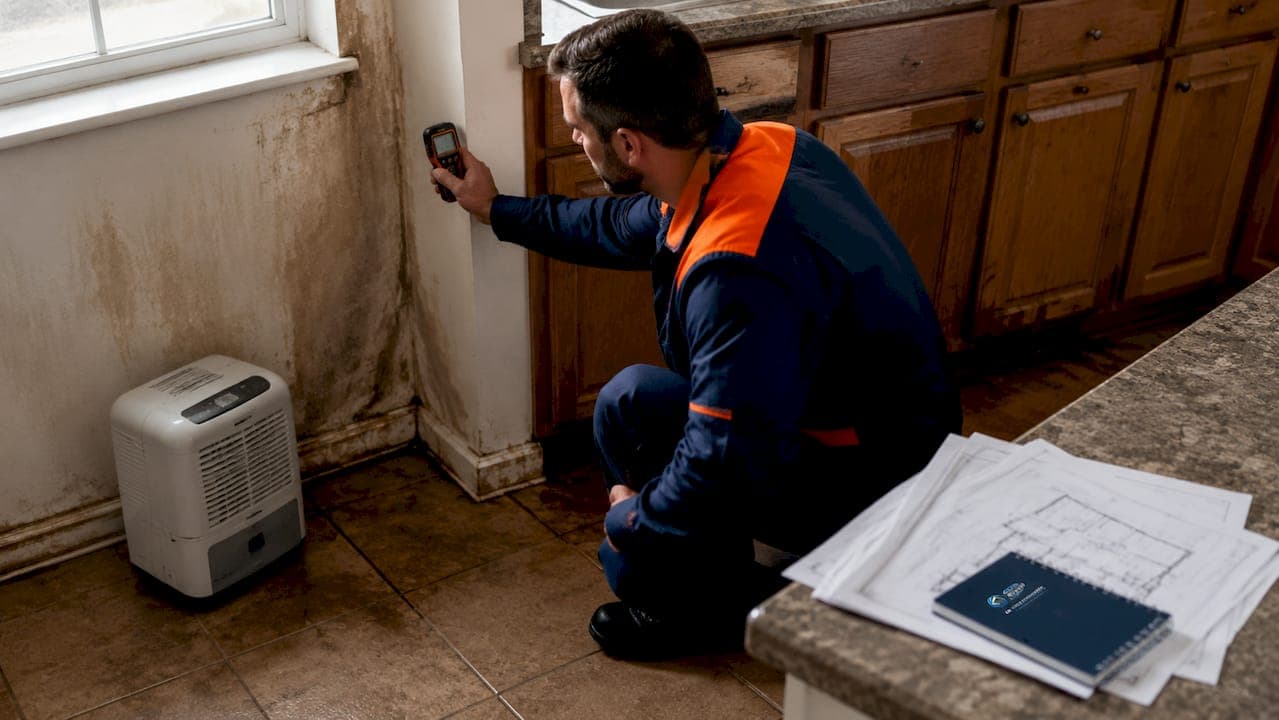
Emergency restoration is defined as immediate, professional intervention after water intrusion to stop damage before it spreads. Knowing why emergency restoration saves money comes down to one fact: water does not wait. Every hour it sits, it soaks deeper into walls, floors, and framing. Mold can start growing within 24–48 hours of water intrusion, and a repair that costs $2,500 today can balloon past $22,500 within a week. Dry Rely Water Damage Restoration has seen this pattern repeat across more than 15,000 South Florida properties. The IICRC (Institute of Inspection, Cleaning and Restoration Certification) sets the professional standards that guide how certified teams respond. Acting fast is not just smart. It is the single most cost-effective decision you can make after a water emergency.
Why emergency restoration saves money: the cost of waiting
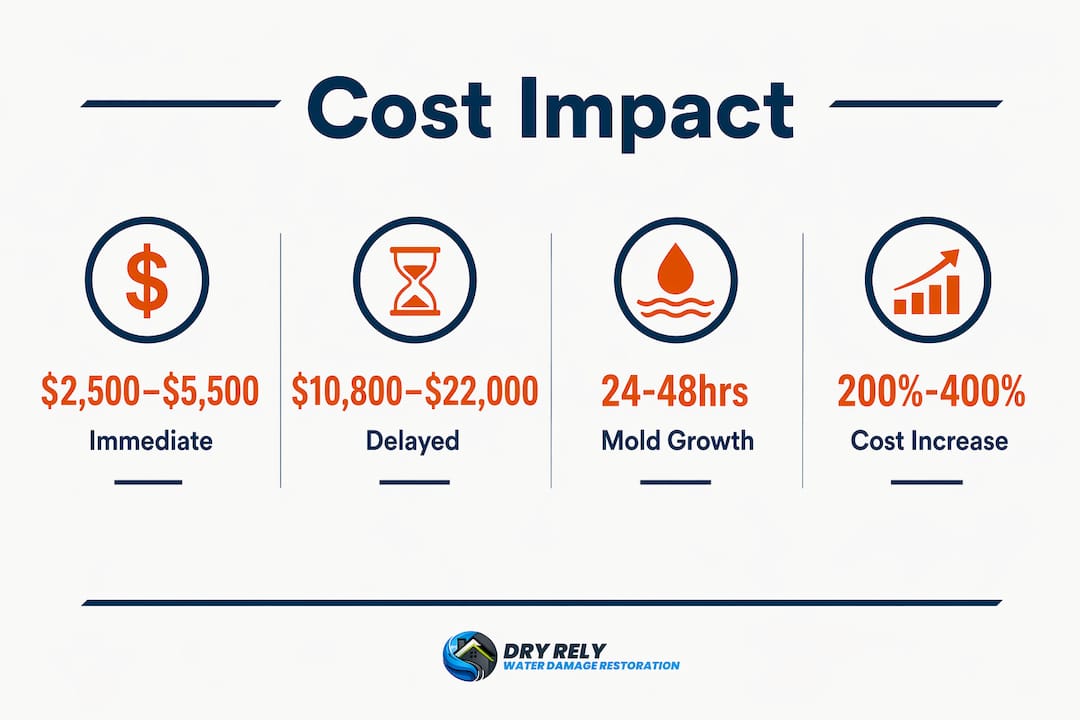
Delaying restoration is the most expensive mistake a homeowner or property manager can make. Costs escalate 200%–400% when restoration is postponed by even one week. A job that starts as a $2,500–$5,500 mitigation can grow into a $10,800–$22,500 reconstruction project. That is not a worst-case scenario. That is the documented pattern.
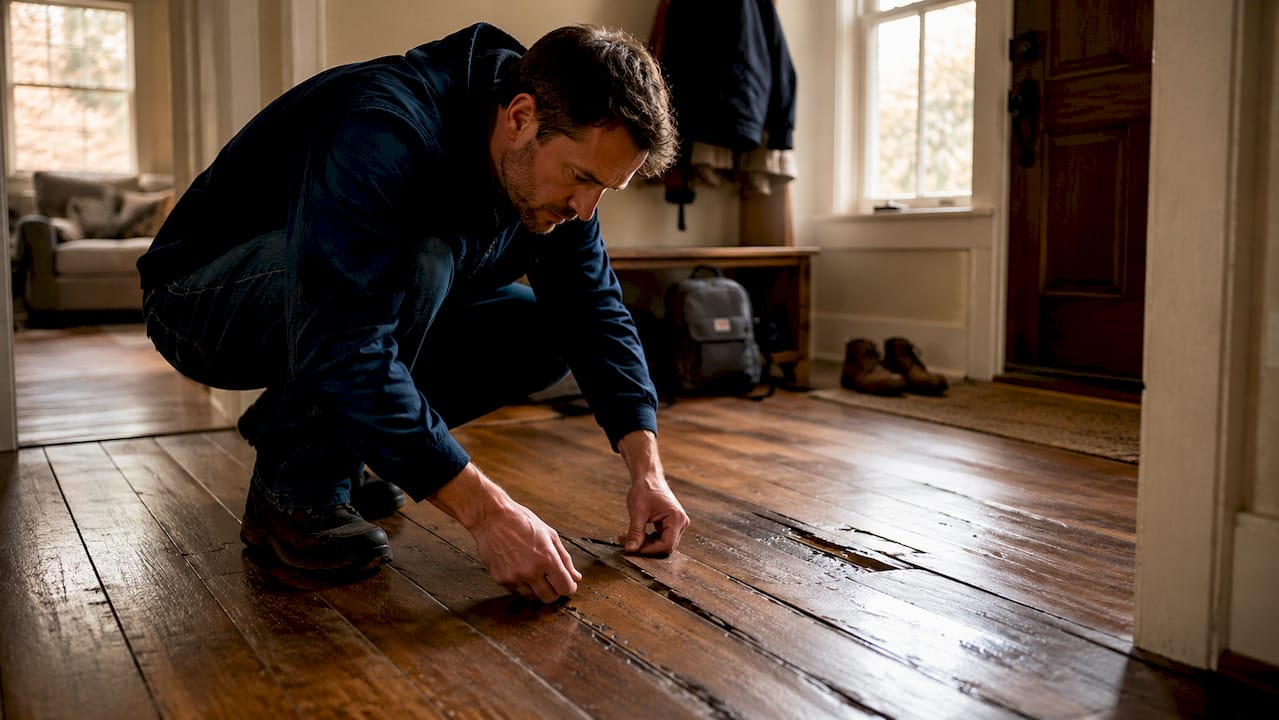
The reason is simple physics. Water moves through porous materials constantly. Drywall absorbs it within minutes. Wood framing swells and warps within hours. Subfloors buckle. Insulation becomes saturated and loses its structural support function. By day three, you are no longer drying a wet room. You are replacing it.
The table below shows how costs shift based on response time.
| Scenario | Typical cost range | What drives the cost |
|---|---|---|
| Immediate mitigation (same day) | $2,500–$5,500 | Water extraction, drying, dehumidification |
| Delayed 3–5 days | $6,000–$12,000 | Drywall removal, flooring replacement, mold risk |
| Delayed 1+ week | $10,800–$22,500+ | Structural repairs, mold remediation, full reconstruction |
Roofing, framing, and cabinetry all absorb water at different rates, but none of them recover on their own. Saturated subfloor panels require full replacement once they delaminate. Framing that stays wet past 72 hours begins to support mold colonies. Every day without professional drying adds a new line item to your repair bill.
Pro Tip: Call a certified restoration team the moment you discover water intrusion. Do not wait to see if it dries on its own. The first 24 hours determine whether you pay for drying or for demolition.
What mold remediation actually costs when you delay
Mold is the most expensive consequence of delayed water damage response. Mold begins growing within 24–48 hours of water intrusion. Once it colonizes wall cavities and framing, drying alone is no longer enough. You need full remediation.
The financial gap between early drying and mold remediation is significant. Early professional drying costs a fraction of what remediation demands. Mold remediation averages $2,367 but can reach $30,000 for whole-house contamination. That range reflects how fast a contained moisture problem becomes a property-wide health hazard.
Insurance coverage makes this worse, not better. Most homeowners insurance caps mold coverage at $1,000–$10,000. When actual remediation costs hit $15,000 or $25,000, you pay the difference out of pocket. That gap is entirely avoidable with fast action.
Here is what makes mold remediation so expensive compared to early drying:
- Contaminated drywall must be cut out and disposed of as hazardous material
- Framing behind walls requires treatment or replacement
- HVAC systems can spread spores throughout the property, requiring duct cleaning
- Occupants may need temporary housing during remediation
- Air quality testing is required before and after remediation to confirm clearance
Surface dryness is not structural dryness. A floor that feels dry to the touch can still hold moisture deep in the subfloor layers. Professionals use moisture meters and thermal imaging to find hidden saturation that standard inspection misses entirely.
Pro Tip: Ask your restoration technician to show you moisture readings before and after drying. Numbers on a meter confirm the job is done. A dry-feeling surface does not.
How untreated water damage reduces your property's value
Water damage does not just cost money to fix. It costs money you never spend. Properties with untreated water damage histories suffer a 15%–25% reduction in appraised market value. On a $400,000 home, that is $60,000–$100,000 in lost equity.
Buyers and appraisers spot water damage history through disclosure forms, inspection reports, and visible staining. Even repaired damage that was not professionally documented can raise red flags during a sale. Undocumented repairs signal to buyers that the work may not meet professional standards, which drives offers down further.
The table below shows how damage history affects property value at different home price points.
| Home value (no damage) | Value reduction (15%) | Value reduction (25%) | Estimated loss |
|---|---|---|---|
| $300,000 | $255,000 | $225,000 | $45,000–$75,000 |
| $400,000 | $340,000 | $300,000 | $60,000–$100,000 |
| $600,000 | $510,000 | $450,000 | $90,000–$150,000 |
Insurance claims add another layer of financial risk. Insurance carriers consider mold and secondary structural damage preventable when restoration is delayed. Adjusters scrutinize the timeline between damage discovery and the first call to a restoration company. A gap of several days can result in partial denial of your claim. That leaves you covering costs that would have been fully reimbursed with faster action.
Proper documentation protects your claim and your home's value. Learn more about water damage and home value to understand what buyers and appraisers look for after a water event.
Why professional restoration beats DIY every time
DIY drying feels like a cost-saving move. It is not. Standard household dehumidifiers cannot reach the low-grain moisture levels required to structurally dry a home. That means moisture stays trapped inside walls and under floors, feeding mold growth for weeks before you notice the smell.
Professional drying uses moisture meters and thermal imaging to map every wet zone in a structure. Technicians place industrial air movers and commercial-grade dehumidifiers in calculated positions to pull moisture out of materials, not just the air. Structural drying typically runs 3–5 days with professional equipment. That is a contained, predictable process with a clear endpoint.
DIY attempts that fail turn a $1,500 drying job into a $10,000 or higher remediation project. The cost escalation happens because trapped moisture is invisible until mold appears. By then, the damage is already done.
Professional restoration also protects your insurance claim. Restoration contractors assist with documentation and adjuster coordination, which improves claim outcomes. Adjusters respond better to organized, professional reports than to homeowner photos and verbal descriptions.
Here is what certified professionals bring to a water damage response that DIY cannot replicate:
- Industrial air movers and low-grain dehumidifiers that reach structural moisture
- Thermal imaging cameras that detect moisture behind walls without demolition
- Moisture meter readings that confirm dry-down completion before the job closes
- IICRC-certified protocols that satisfy insurance adjuster requirements
- Written documentation that supports your claim from day one
Pro Tip: When selecting a restoration service, confirm they are IICRC-certified and ask for moisture readings at project close. Certification means the team follows documented drying standards, not guesswork.
Steps to take right now to save money with emergency restoration
Speed is the variable you control. Every step below reduces your total repair cost when taken immediately after discovering water damage.
- Stop the water source. Shut off the main water supply or isolate the affected line. If the source is a roof or structural leak, cover the opening if it is safe to do so.
- Call a 24/7 emergency restoration service immediately. Do not wait until business hours. Water damage compounds overnight. Dry Rely Water Damage Restoration guarantees technicians on-site within 60 minutes across South Florida.
- Document everything before cleanup begins. Take photos and video of all affected areas, including ceilings, walls, floors, and personal property. This documentation is the foundation of your insurance claim.
- Move valuables and electronics out of wet areas. Reduce secondary losses by relocating items that water has not yet reached.
- Do not run fans or household dehumidifiers as a substitute for professional drying. Household equipment moves air but does not extract structural moisture. It can spread contamination to dry areas.
- Contact your insurance company and report the damage. Notify them promptly and reference your restoration company's documentation. Review water damage documentation tips to prepare your claim correctly.
- Follow the restoration team's guidance on re-entry. Returning to wet areas too soon can compromise drying and create safety hazards.
The financial advantages of restoration come from this sequence. Each step either stops the damage from spreading or creates the paper trail that protects your claim.
Key Takeaways
Emergency restoration saves the most money when it begins within the first hour of water intrusion, before structural materials absorb enough moisture to require replacement rather than drying.
| Point | Details |
|---|---|
| Act within the first hour | Immediate mitigation costs $2,500–$5,500; a one-week delay can push that past $22,500. |
| Mold starts in 24–48 hours | Early drying prevents mold; remediation after colonization costs up to $30,000. |
| Property value drops without treatment | Untreated damage reduces appraised value by 15%–25%, costing $60,000–$100,000+ in equity. |
| DIY drying creates hidden risk | Household equipment cannot reach structural moisture levels; professional equipment prevents mold escalation. |
| Documentation protects your claim | Professional restoration reports improve insurance outcomes and reduce out-of-pocket expenses. |
What 15,000 restored properties taught us about acting fast
The most consistent pattern we see at Dry Rely Water Damage Restoration is this: homeowners who call us within the first hour spend a fraction of what those who wait spend. Not a small fraction. Often a tenth of the total cost.
The conventional wisdom says "assess the damage first, then decide." That thinking costs people money. Water does not pause while you assess. By the time you have decided the damage is serious enough to call a professional, the subfloor is saturated and the clock on mold growth is already running.
The shift that changes outcomes is moving from a replacement mindset to a preservation mindset. Preservation means calling for help before you are certain you need it. The cost of a professional assessment when the damage turns out to be minor is negligible. The cost of waiting when the damage is serious is catastrophic.
We also see property managers underestimate how fast commercial water damage compounds. A single overnight leak in a commercial space can affect multiple units, shared walls, and common areas. The commercial water damage impact on business operations adds lost revenue to the repair bill. Fast response is not just a financial decision. It is an operational one.
Routine property checks matter too. Catching a slow leak under a sink or a failing water heater connection before it becomes an emergency is the cheapest restoration of all.
— Dry Rely Water Damage Restoration
Dry Rely Water Damage Restoration: fast response that protects your budget
When water damage hits, the clock starts immediately. Dry Rely Water Damage Restoration operates 24/7 across South Florida with a guaranteed 60-minute on-site response. The certified team uses thermal imaging, industrial drying equipment, and IICRC-standard protocols to stop damage at the source and document everything your insurance adjuster needs.
With over 15,000 properties restored and a 4.9-star rating from more than 200 reviews, Dry Rely delivers results that protect both your property and your finances. Whether you need emergency water damage restoration or a full water damage restoration service from extraction through structural drying, the team is ready to respond right now. Call Dry Rely Water Damage Restoration the moment water appears. Every minute of fast action is money saved.
FAQ
How much does delaying water damage restoration cost?
Delaying restoration by one week can increase total costs by 200%–400%, turning a $2,500–$5,500 mitigation into a $10,800–$22,500 or higher repair project.
When does mold start growing after water damage?
Mold begins growing within 24–48 hours of water intrusion. Professional drying started immediately can prevent mold entirely, while delayed action shifts the work from drying to costly remediation.
Does homeowners insurance cover mold remediation?
Most homeowners insurance caps mold coverage at $1,000–$10,000, while actual remediation can cost up to $30,000. Insurance carriers often deny mold claims when delayed mitigation is found to be the cause.
Why is professional restoration better than DIY drying?
Standard household dehumidifiers cannot reach the moisture levels needed to structurally dry a home. Professionals use industrial equipment and moisture meters to confirm complete dry-down and prevent hidden mold growth.
How does water damage affect my home's resale value?
Properties with untreated water damage histories lose 15%–25% of their appraised market value. On a $400,000 home, that equals $60,000–$100,000 in lost equity at the time of sale.