Water remediation is defined as the process of identifying, cleaning, and restoring water systems or contaminated properties to a safe, usable condition after damage or contamination. If you are dealing with a flooded basement, a sewage backup, or a leaking pipe that soaked your walls, water remediation is the formal name for what needs to happen next. The term covers far more than drying out wet floors. It includes characterization, decontamination, and clearance as distinct phases, each with specific goals and methods. Understanding what does water remediation mean helps you ask the right questions and make faster decisions when every hour counts.
What does water remediation mean, step by step?
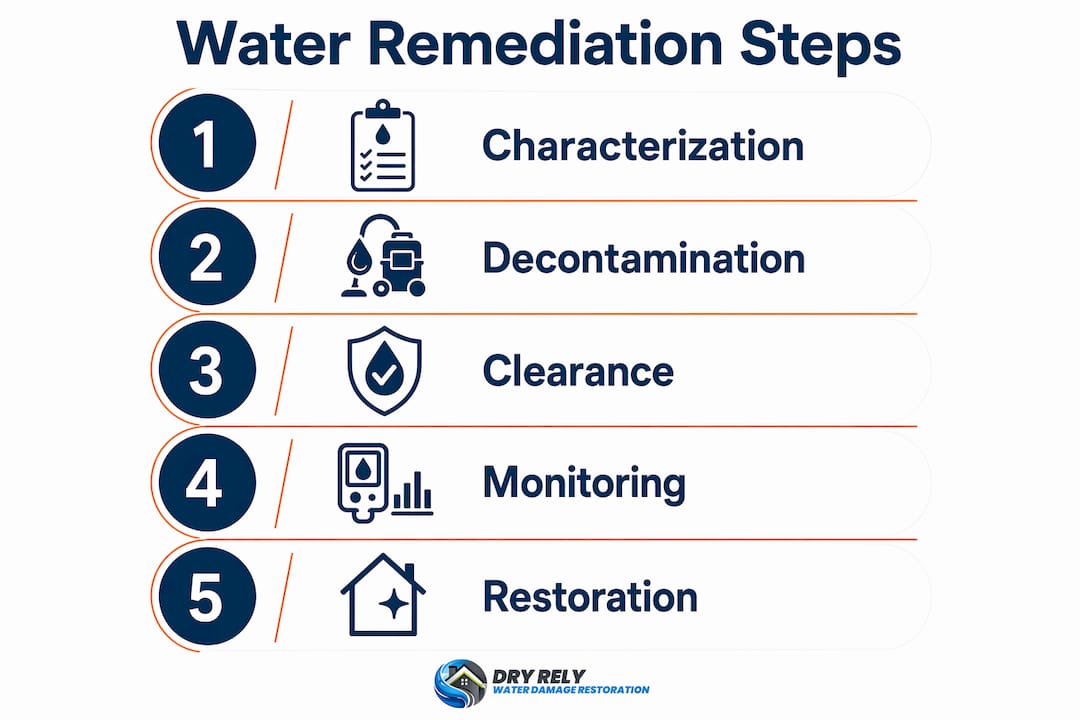
Water remediation is the process utilities and restoration professionals use to return water systems to normal service after contamination involving chemical, biological, or radiological substances. The EPA defines three core phases that apply whether you are dealing with a municipal water supply or a flooded home.
Phase 1: Characterization
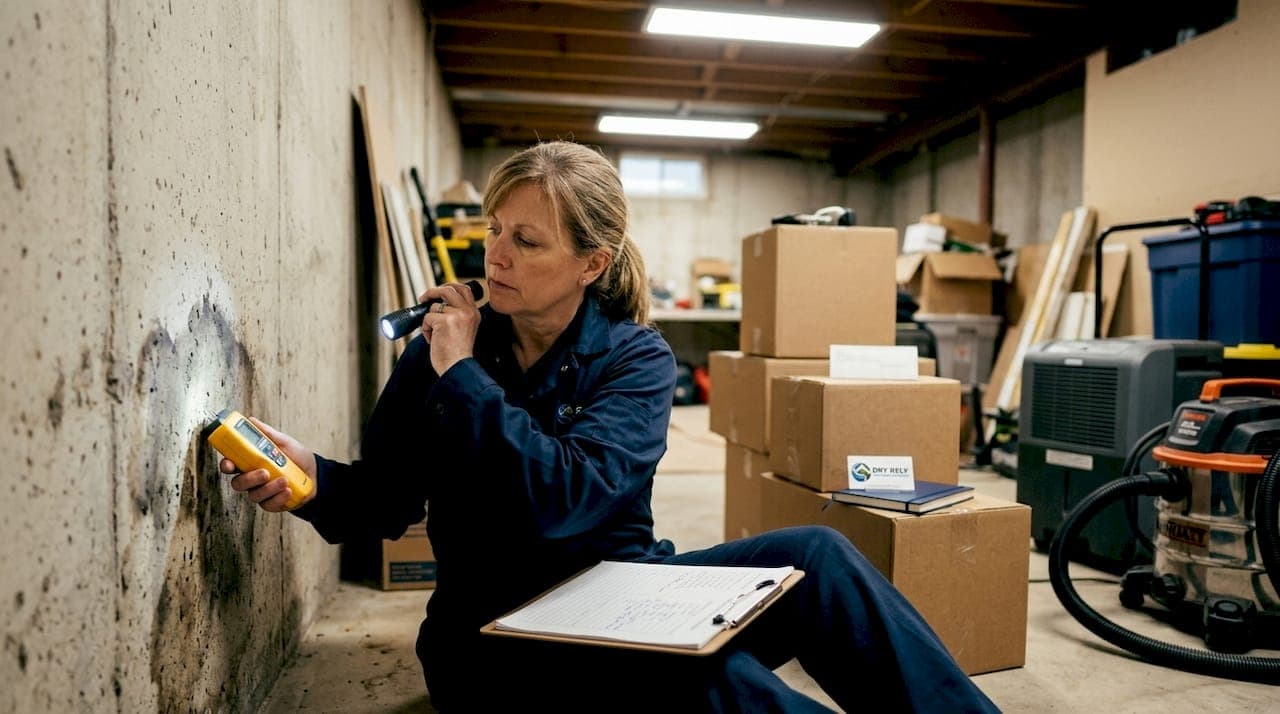
Characterization means assessing the full scope of the problem before any cleanup begins. Technicians identify what contaminants are present, how far they have spread, and what materials are affected. In a residential setting, this often involves moisture meters, thermal imaging cameras, and air quality sampling. Skipping this step is the single most common reason remediation fails.
Phase 2: Decontamination
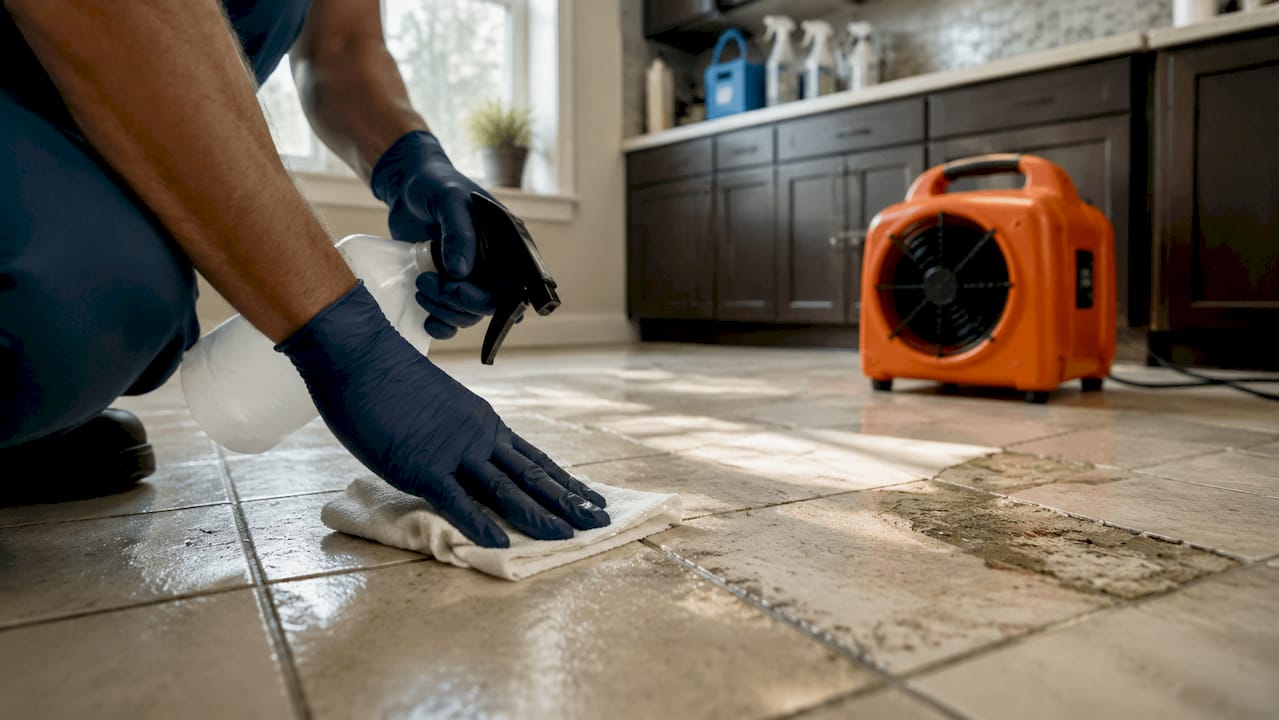
Decontamination is the active cleanup phase. Professionals select and apply treatment methods based on what the characterization found. Advanced treatment technologies include membrane filtration, chemical precipitation, and bioremediation for removing persistent pollutants. In homes, decontamination typically means antimicrobial treatments, HEPA vacuuming, controlled demolition of saturated materials, and industrial drying equipment.
Phase 3: Clearance
Clearance confirms the job is done. EPA clearance criteria require verified contaminant levels to meet safety thresholds before normal use resumes, sometimes with ongoing monitoring afterward. In a home, clearance means post-remediation testing shows no elevated mold spores, bacteria, or chemical residues. You should never skip this step, even if the space looks and smells clean.
Pro Tip: Request a written clearance report from your remediation contractor. A reputable company provides documented test results, not just a verbal confirmation that the work is complete.
Timelines vary widely. Simple water damage from a clean source can reach clearance in 3–5 days. Sewage contamination or chemical exposure can extend the process to weeks. Remediation success metrics are tied to measured contaminant clearance criteria and may require long-term sampling and infrastructure stabilization over months or years in severe cases.
How does water remediation differ from mitigation and restoration?
These three terms describe three different jobs, and confusing them costs homeowners time and money.
Water mitigation stops damage from worsening immediately after a leak or flood. Think of it as emergency triage. A crew arrives, extracts standing water, and sets up drying equipment to prevent further spread. Mitigation does not address contamination or repair anything.
Water remediation focuses on contaminant removal and safety. It answers the question: is this space safe to occupy? Remediation follows mitigation and addresses bacteria, mold, chemicals, and other hazards left behind by the water event.
Water restoration is the rebuild phase. Once the space is safe, restoration contractors repair drywall, replace flooring, repaint, and return the property to its pre-damage condition. Under federal law, CERCLA distinguishes removal actions as short-term emergency responses and remedial actions as permanent, engineered cleanup solutions. That same logic applies at the residential level.
| Process | Primary goal | When it happens |
|---|---|---|
| Mitigation | Stop damage from spreading | Immediately after the water event |
| Remediation | Remove contaminants, confirm safety | After mitigation, before restoration |
| Restoration | Repair and rebuild the property | After remediation clearance is confirmed |
Key distinctions to keep in mind:
- Mitigation is reactive and fast. It protects what is still intact.
- Remediation is investigative and methodical. It protects your health.
- Restoration is constructive. It protects your property value.
All three processes often overlap in practice, but they require different expertise and different equipment.
What types of water damage and contamination require remediation?
Not all water damage is equal. The source of the water determines how serious the remediation effort needs to be.
Clean water (Category 1) comes from broken supply lines, overflowing sinks, or rainwater. It poses the lowest health risk initially, but clean water becomes contaminated within 24–48 hours if left standing.
Gray water (Category 2) comes from washing machines, dishwashers, or toilet overflow without solid waste. It contains microbes and chemical residues that require antimicrobial treatment.
Black water (Category 3) comes from sewage backups, flooding from rivers or storm drains, or any water that has sat long enough to become heavily contaminated. Heavy metals, microbes, and chemicals found in black water bioaccumulate and persist, requiring thorough remediation efforts. Black water events are the most dangerous and the most expensive to remediate.
Common sources that trigger remediation in South Florida homes include:
- Hurricane flooding and storm surge
- Roof leaks that saturate insulation and framing
- Burst pipes behind walls
- HVAC condensate line failures
- Sewage backups from overwhelmed municipal systems
Pro Tip: If you see discoloration, smell an odor, or notice warping in building materials after a water event, assume the water was at least Category 2 and call a professional before entering the affected area for extended periods.
Environmental remediation broadly addresses hazardous substances in soil, groundwater, and surface water through removal, treatment, or containment. The same principle applies inside your home. Contaminated building materials, including drywall, insulation, and subfloor, can harbor mold and bacteria long after the visible water is gone. Remediation targets those materials directly.
What should you expect during and after water remediation?
Knowing what happens at each stage removes the uncertainty and helps you plan around the disruption.
What to expect during remediation:
- A certified technician conducts an initial assessment using moisture meters and thermal imaging to map hidden damage
- Affected areas are isolated with containment barriers to prevent cross-contamination
- Industrial air scrubbers with HEPA filters run continuously to capture airborne particles
- Saturated materials that cannot be salvaged are removed and disposed of properly
- Antimicrobial treatments are applied to all affected surfaces
- Drying equipment runs for multiple days, with daily moisture readings to track progress
What to expect after remediation:
- Clearance testing by a third party confirms contaminant levels meet safety standards
- A written report documents what was found, what was done, and what the post-remediation results show
- Some situations require long-term monitoring, particularly after mold or sewage events
- Structural repairs and cosmetic restoration can begin only after clearance is confirmed
The EPA frames potable water remediation as a risk-based, phase-driven process with possible long-term monitoring to protect public health. That same risk-based thinking applies to your home. Incomplete remediation leaves contaminants behind walls and under floors, where they continue to affect air quality and structural integrity.
Choosing a professional matters. Look for contractors certified by the Institute of Inspection, Cleaning and Restoration Certification (IICRC), which sets the industry standard for water damage remediation practices. Ask for proof of insurance, a written scope of work, and a clearance testing plan before any work begins. If mold removal is part of the scope, confirm the contractor follows EPA mold remediation guidelines.
Key Takeaways
Water remediation is a three-phase process covering characterization, decontamination, and clearance. It is distinct from mitigation and restoration, and skipping any phase puts your health and property at risk.
| Point | Details |
|---|---|
| Remediation has three phases | Characterization, decontamination, and clearance must all be completed for safe results. |
| It differs from mitigation | Mitigation stops damage; remediation removes contaminants and confirms the space is safe. |
| Water category determines severity | Black water events require the most intensive remediation due to biological and chemical hazards. |
| Clearance testing is non-negotiable | Written test results, not visual inspection, confirm remediation is complete. |
| Professional certification matters | IICRC-certified contractors follow industry standards that protect your health and your claim. |
What we have learned from 15,000+ remediation jobs in South Florida
Most homeowners come to us thinking remediation means drying things out. That misunderstanding is understandable, and it is also dangerous. Drying is one step in a much longer process. We have walked into properties that were "dried out" by another company, only to find active mold colonies behind drywall and bacteria readings that would fail any clearance test.
The hardest part of this work is not the equipment or the chemistry. It is convincing people to wait for clearance before moving back in or starting repairs. We get it. You want your home back. But rebuilding over contaminated materials locks the problem inside your walls permanently.
One thing we tell every customer: the timeline for remediation is set by the contamination, not by your schedule or ours. A Category 1 clean water event in a small bathroom can clear in three days. A Category 3 sewage backup in a finished basement can take two weeks. Rushing either one produces the same bad outcome.
We also see homeowners underestimate the role of water extraction speed in determining how complex remediation becomes. The faster standing water is removed, the lower the chance that clean water becomes gray water, and gray water becomes black water. Every hour of delay changes the category of contamination you are dealing with.
Choose a remediation provider who gives you a written scope, uses third-party clearance testing, and does not pressure you to skip steps. If a contractor cannot explain what clearance criteria they are testing against, find someone who can.
— Dry Rely Water Damage Restoration
Dry Rely Water Damage Restoration: ready when you need remediation
When water damage hits your South Florida property, the clock starts immediately. Dry Rely Water Damage Restoration handles the full remediation process, from initial characterization through decontamination and final clearance testing. Technicians arrive on-site within 60 minutes, using thermal imaging to find hidden moisture before it becomes a bigger problem.
Dry Rely has restored over 15,000 properties across South Florida with a 4.9-star rating from more than 200 verified reviews. Whether you are dealing with a burst pipe, storm flooding, or sewage backup, the team is certified, equipped, and available around the clock. Get the full scope of professional water damage restoration services, or call now for an immediate response to your emergency.
FAQ
What does water remediation mean in simple terms?
Water remediation is the process of cleaning, decontaminating, and confirming a water-affected space is safe after damage or contamination. It covers everything from removing contaminated materials to final clearance testing.
What does water mitigation mean compared to remediation?
Water mitigation stops damage from spreading immediately after a water event, while remediation removes contaminants and verifies safety. Mitigation comes first; remediation follows.
How long does the water remediation process take?
Timelines range from a few days for clean water events to several weeks for sewage or chemical contamination. The EPA notes that some remediation projects require long-term monitoring that extends well beyond the initial cleanup.
Do I need professional remediation or can I do it myself?
Professional remediation is required for any Category 2 or Category 3 water event, including gray water or sewage. DIY cleanup without proper testing and containment risks leaving contaminants behind that affect your health and your home's structure.
What happens if water remediation is not done properly?
Incomplete remediation leaves mold, bacteria, or chemical residues inside building materials. These contaminants continue to affect indoor air quality and can cause structural deterioration, health symptoms, and failed clearance tests when you eventually try to sell or insure the property.